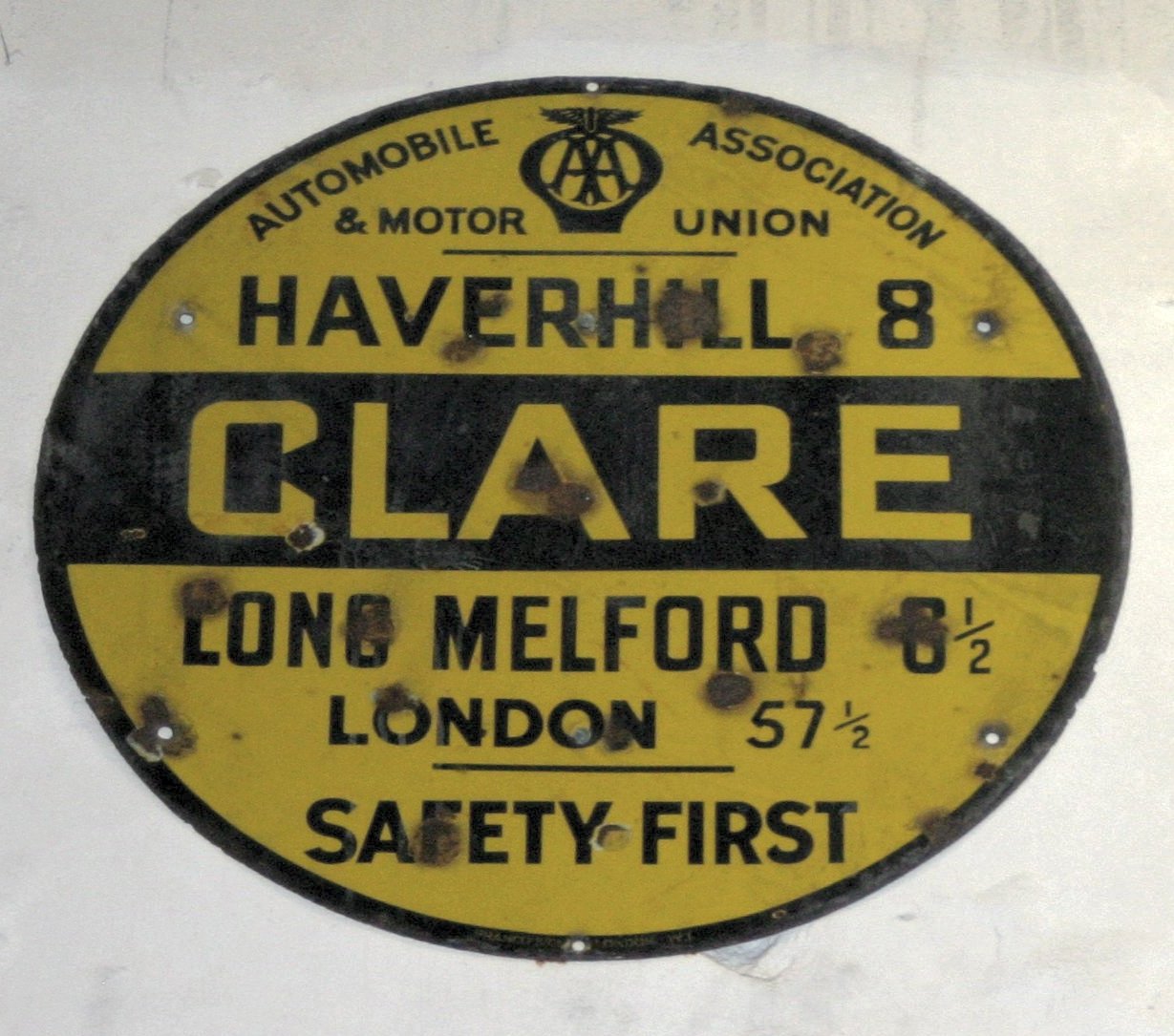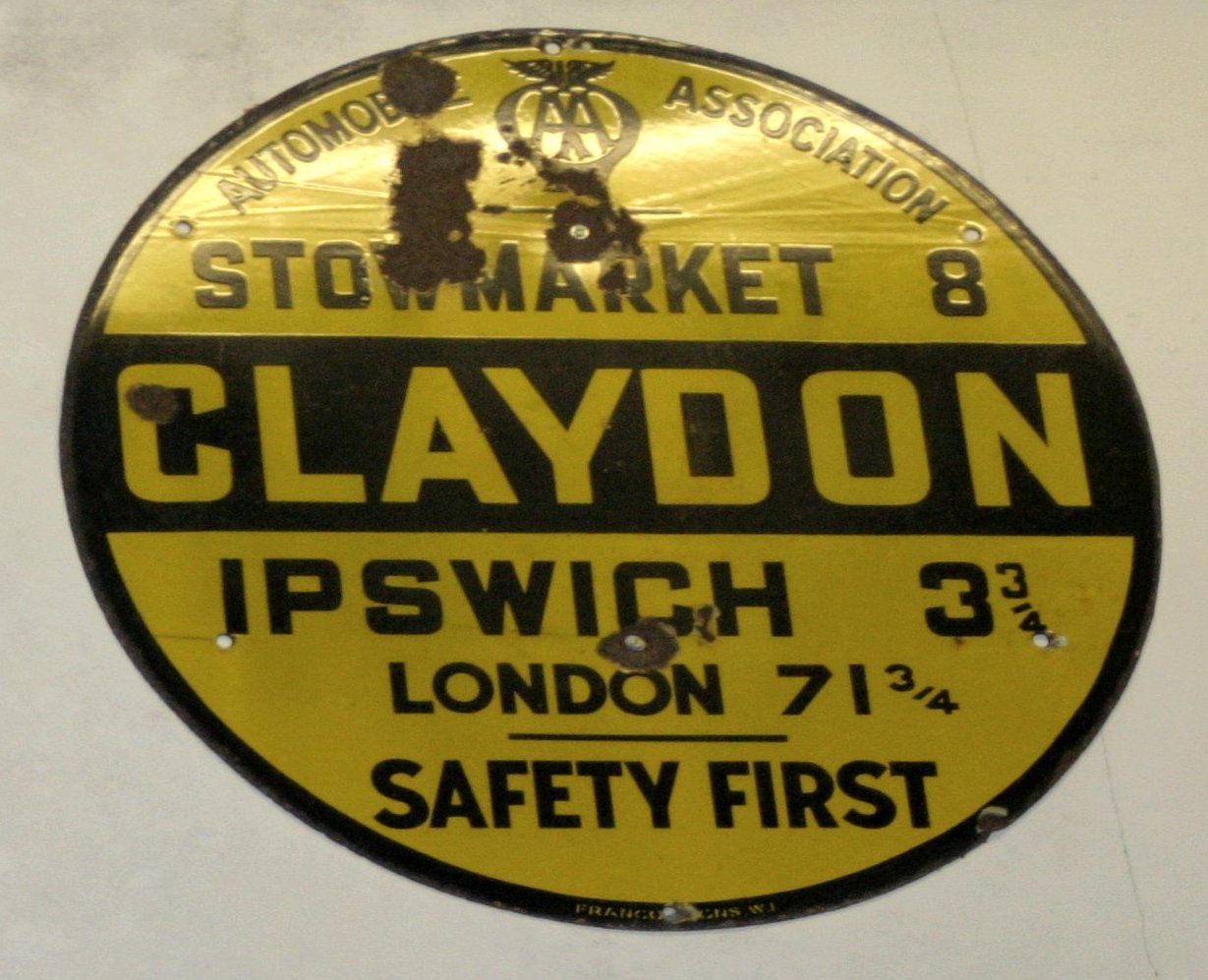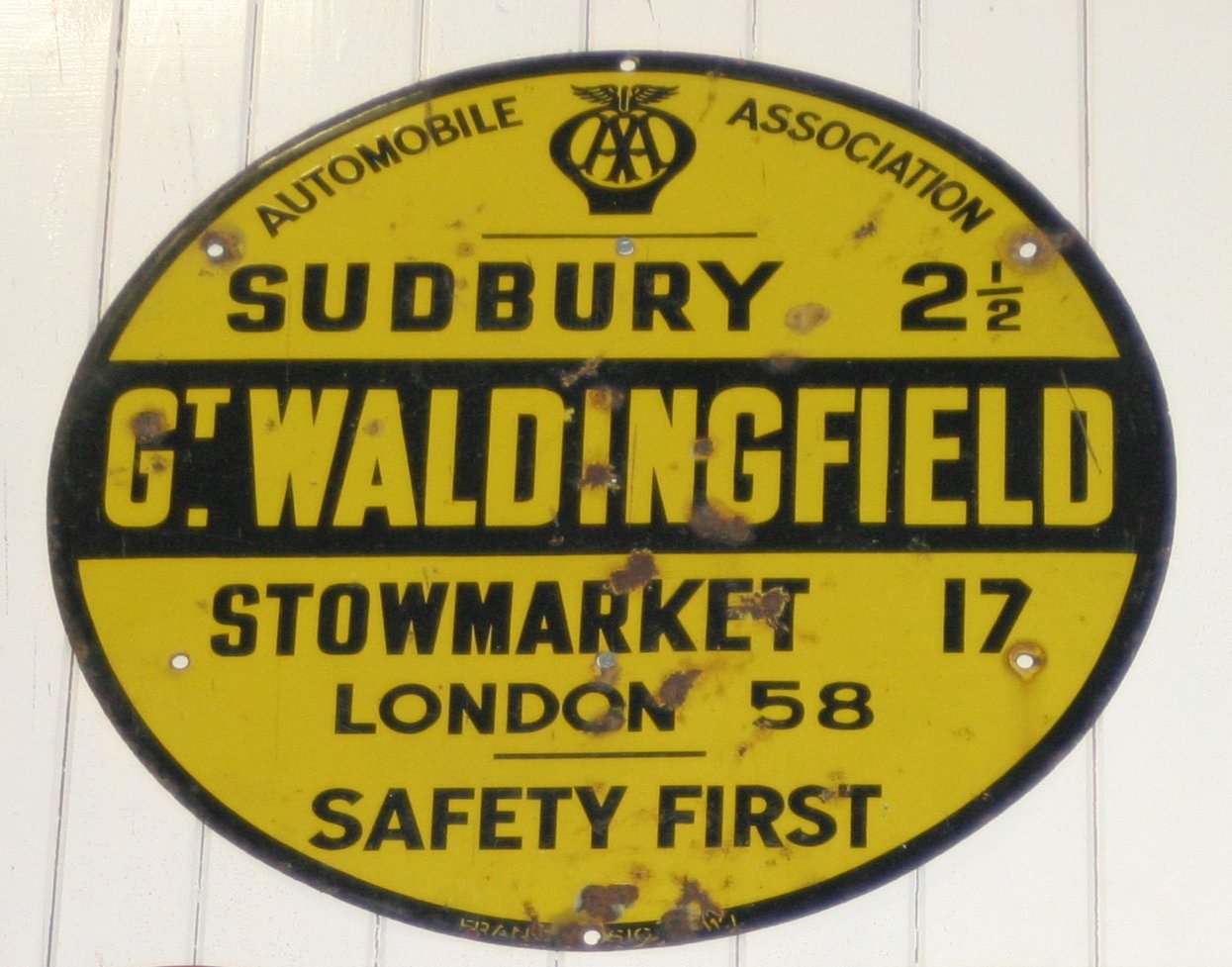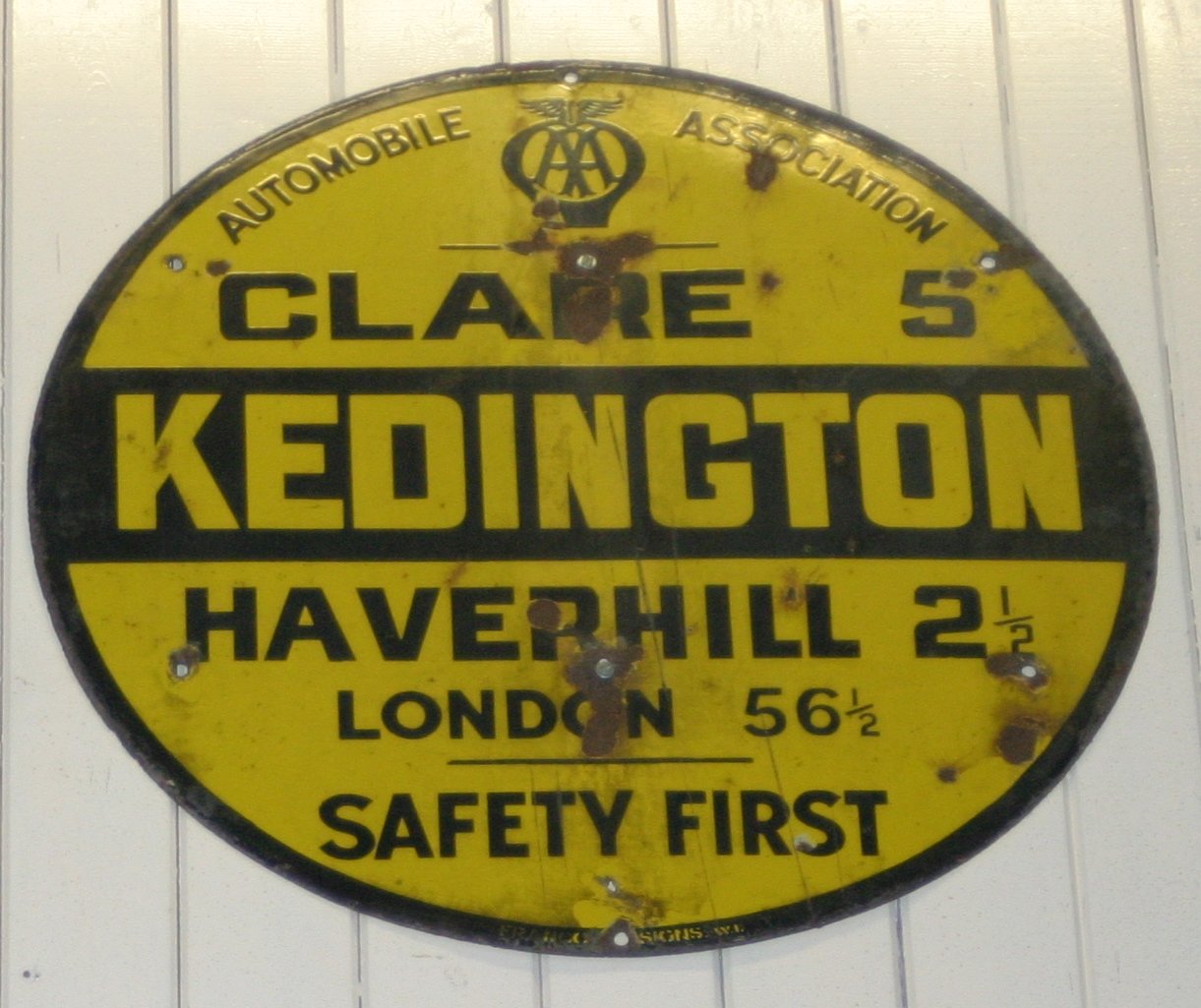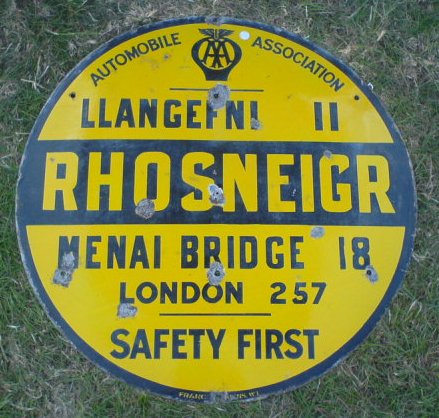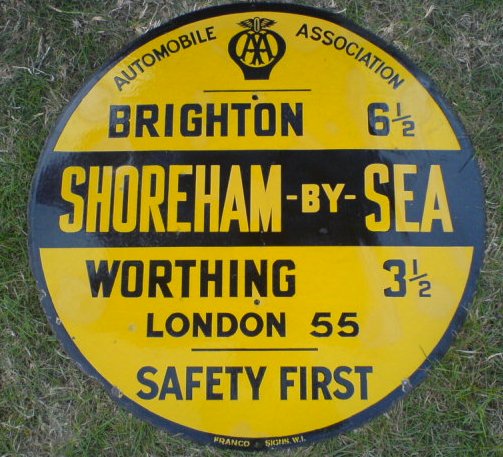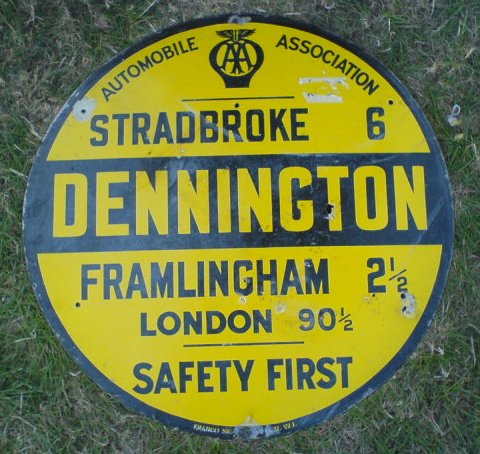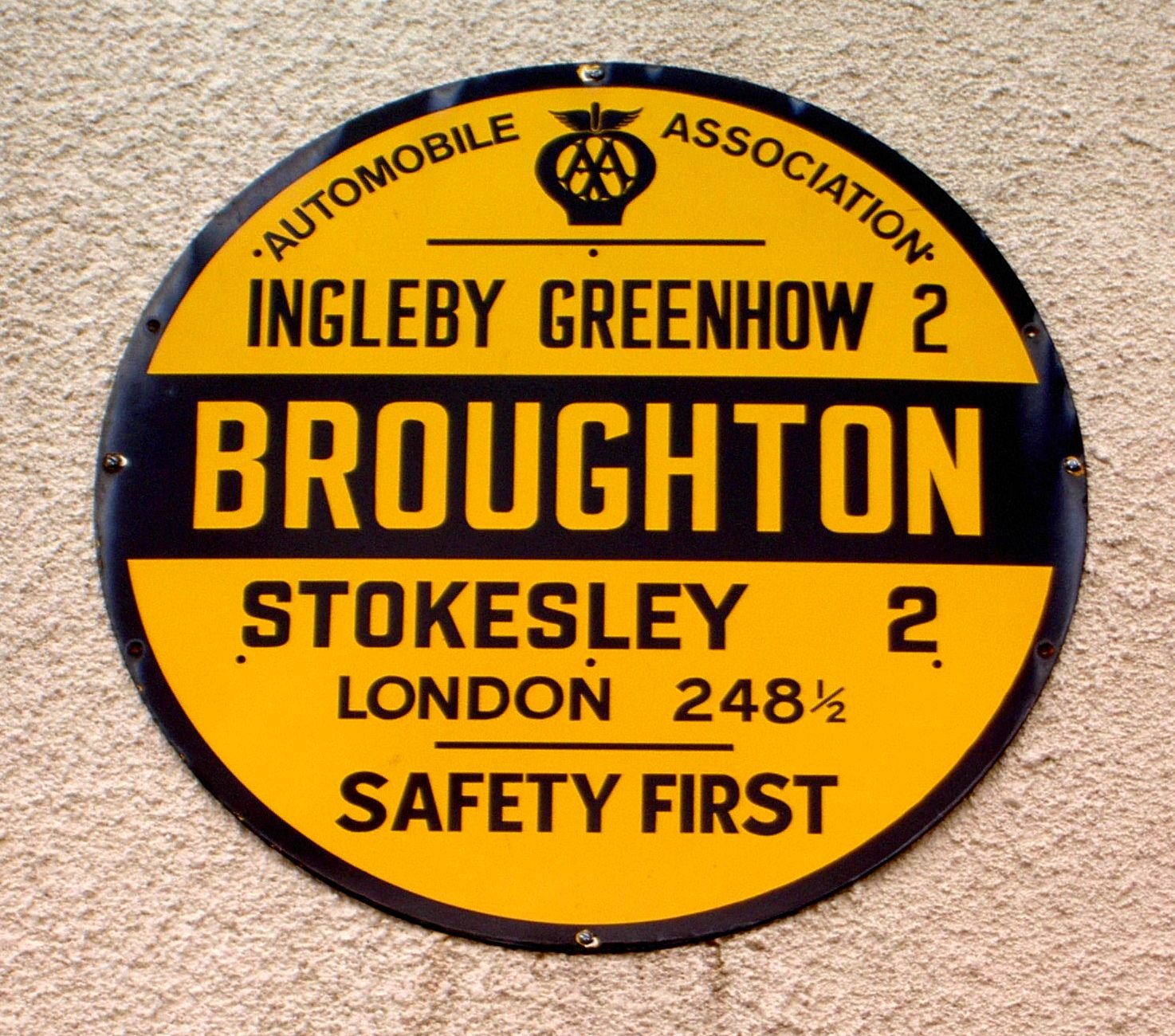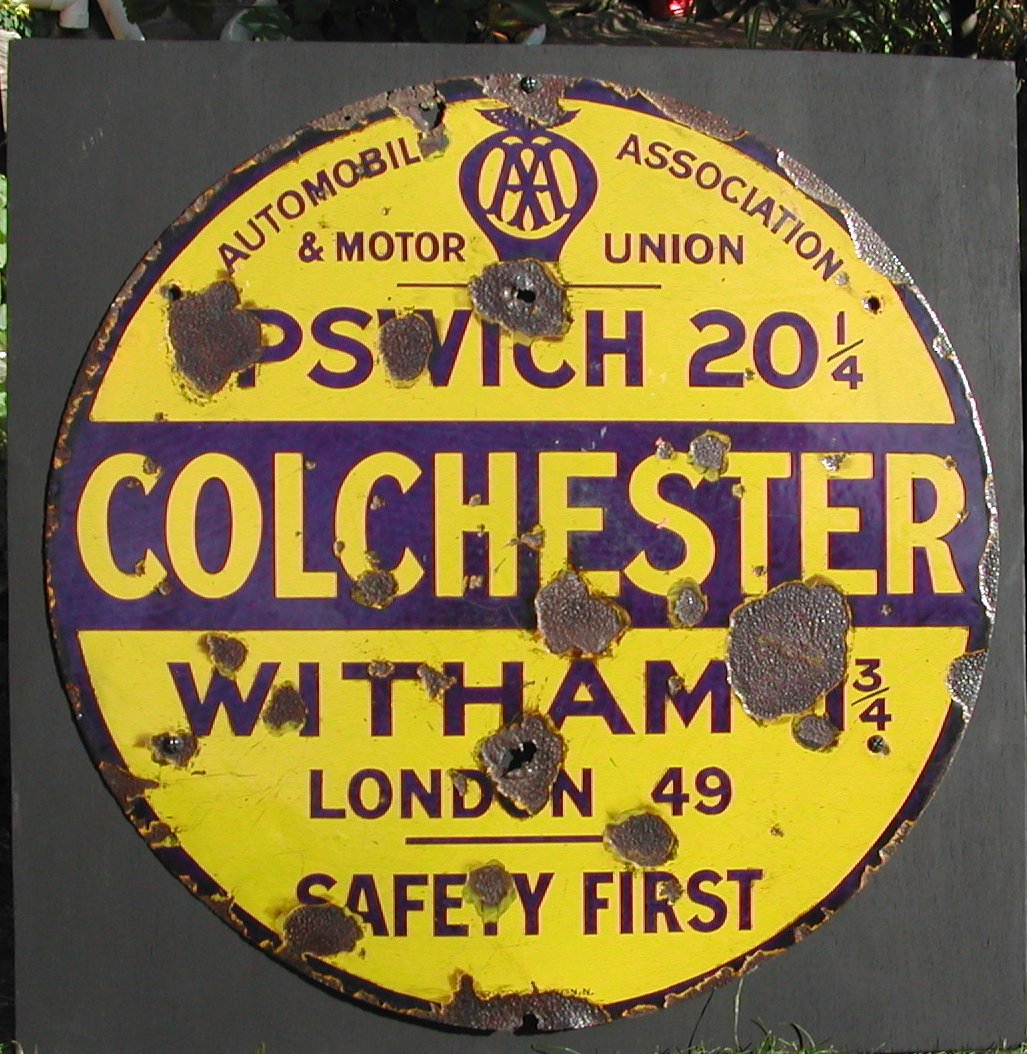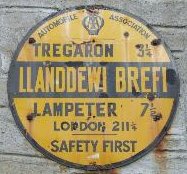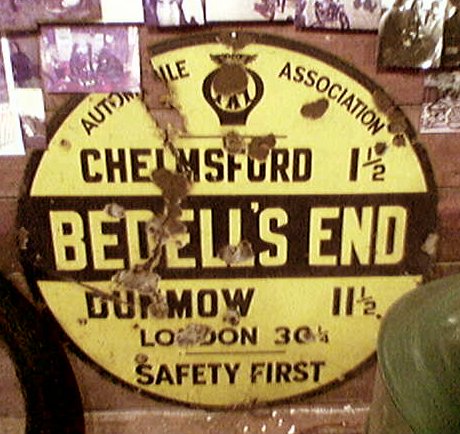
The National AA Village Signs Collection at CVPHM
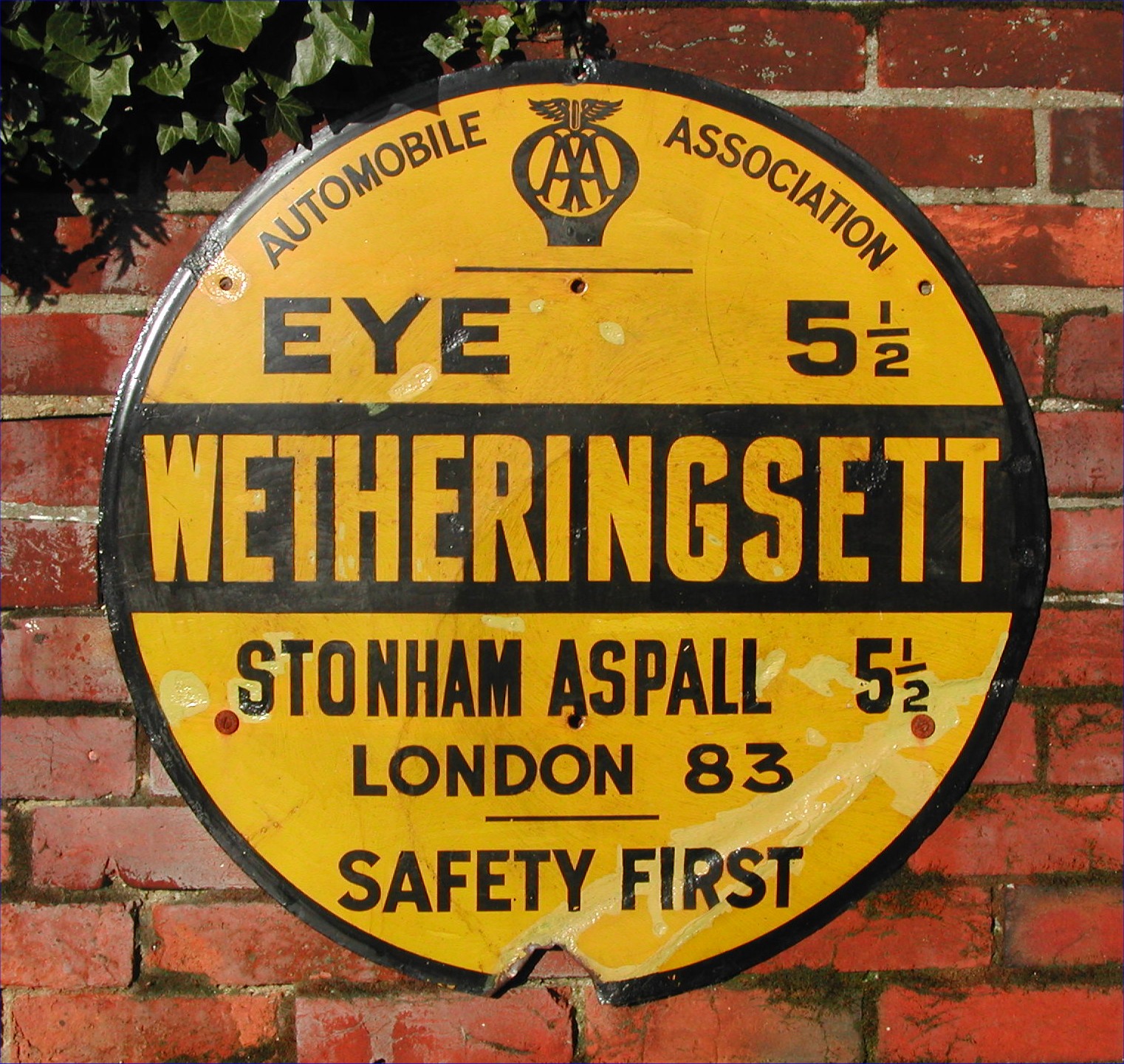
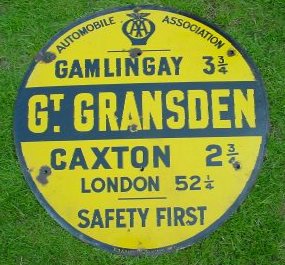
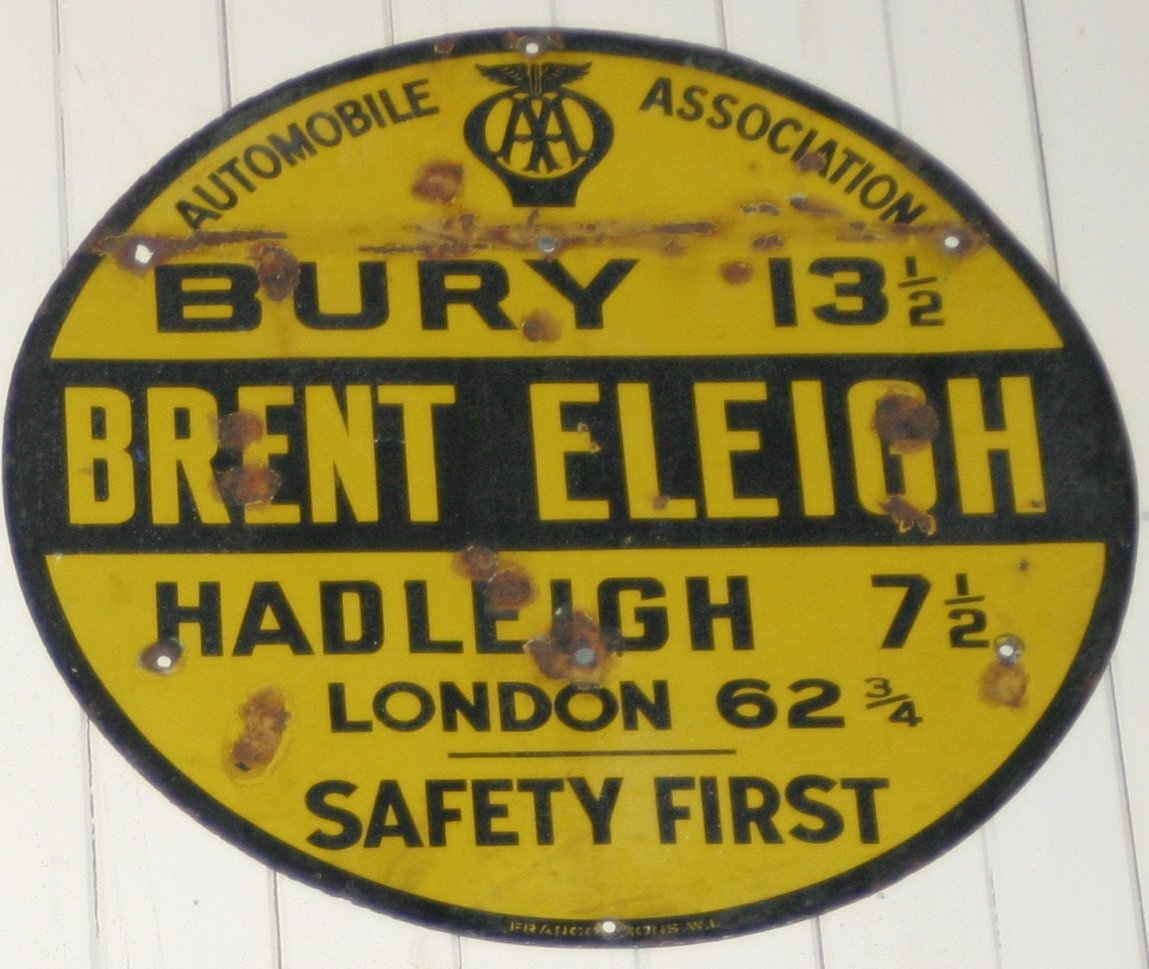
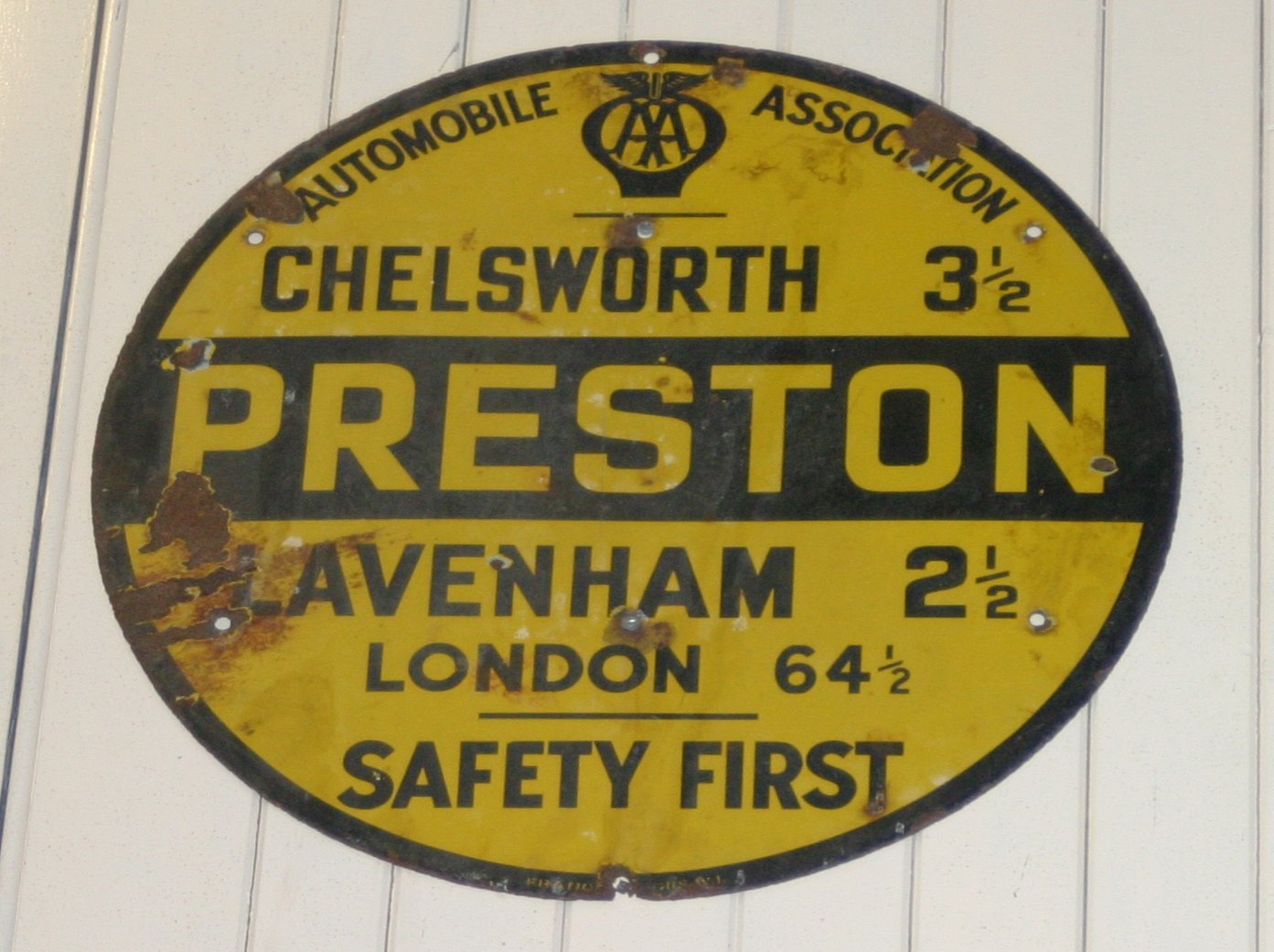
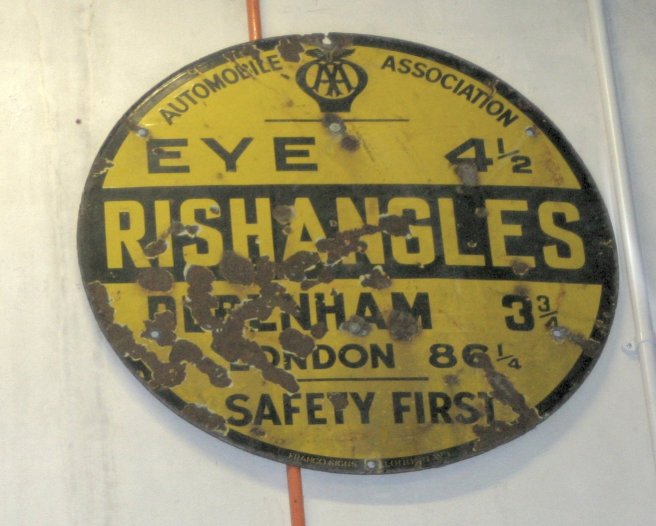
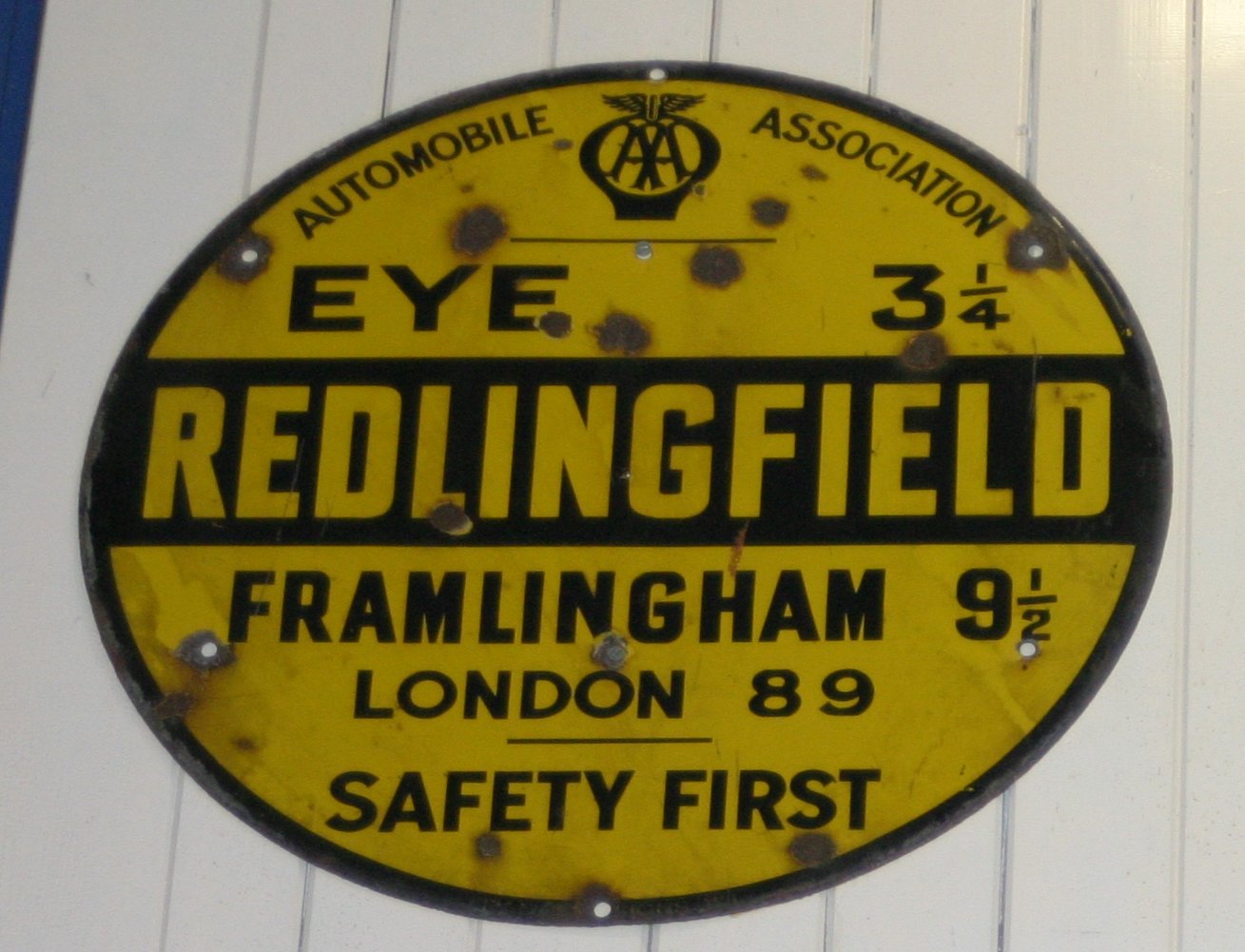
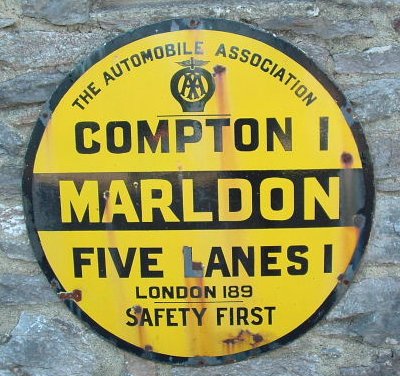
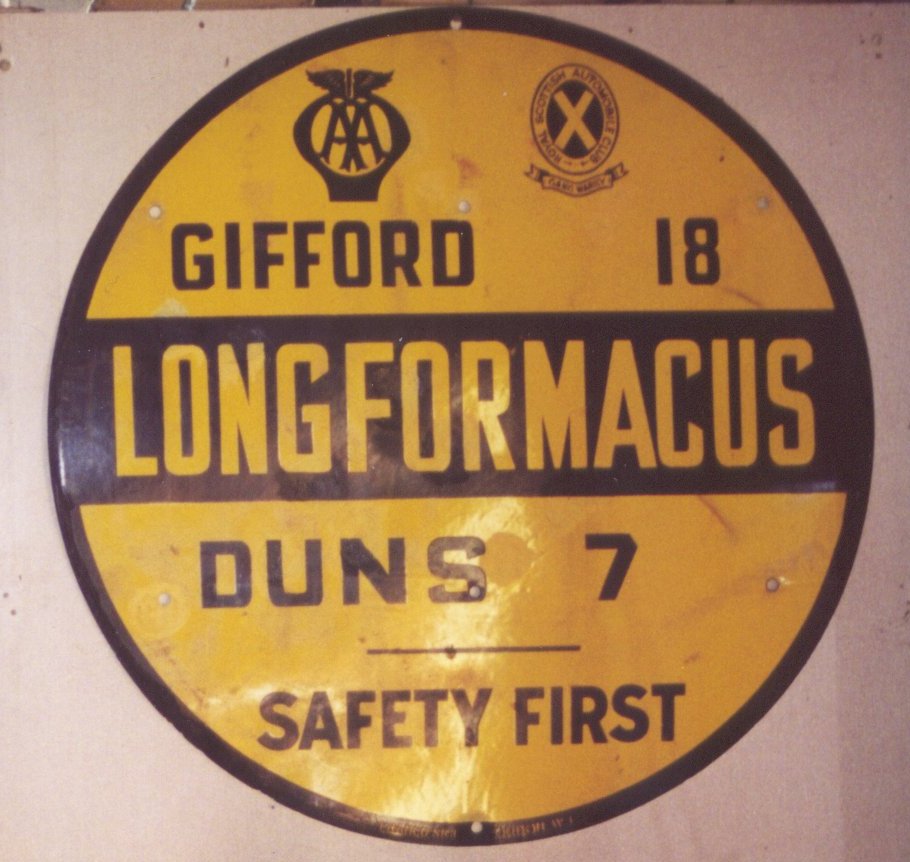
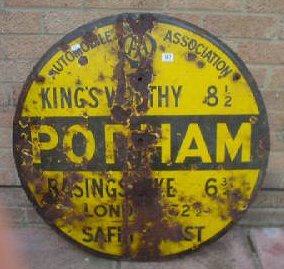
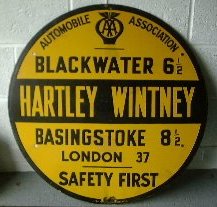
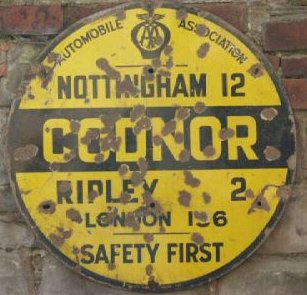
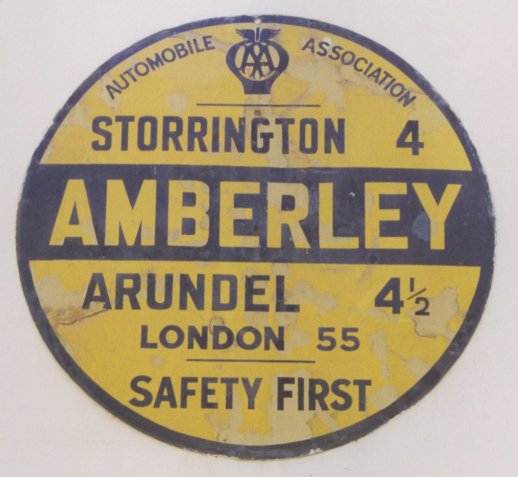
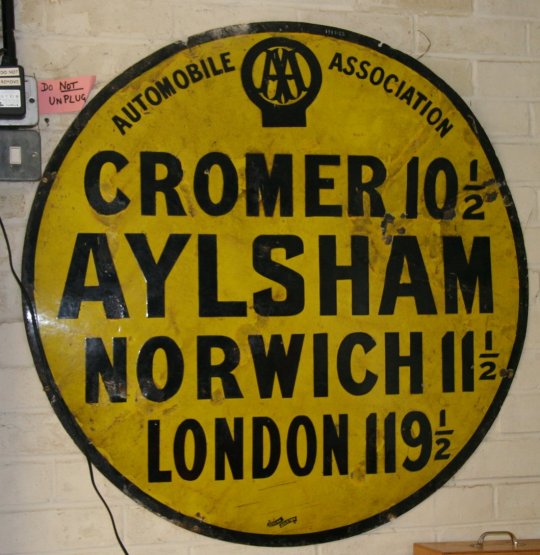
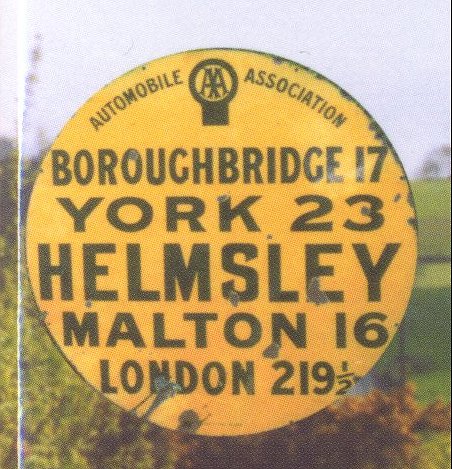
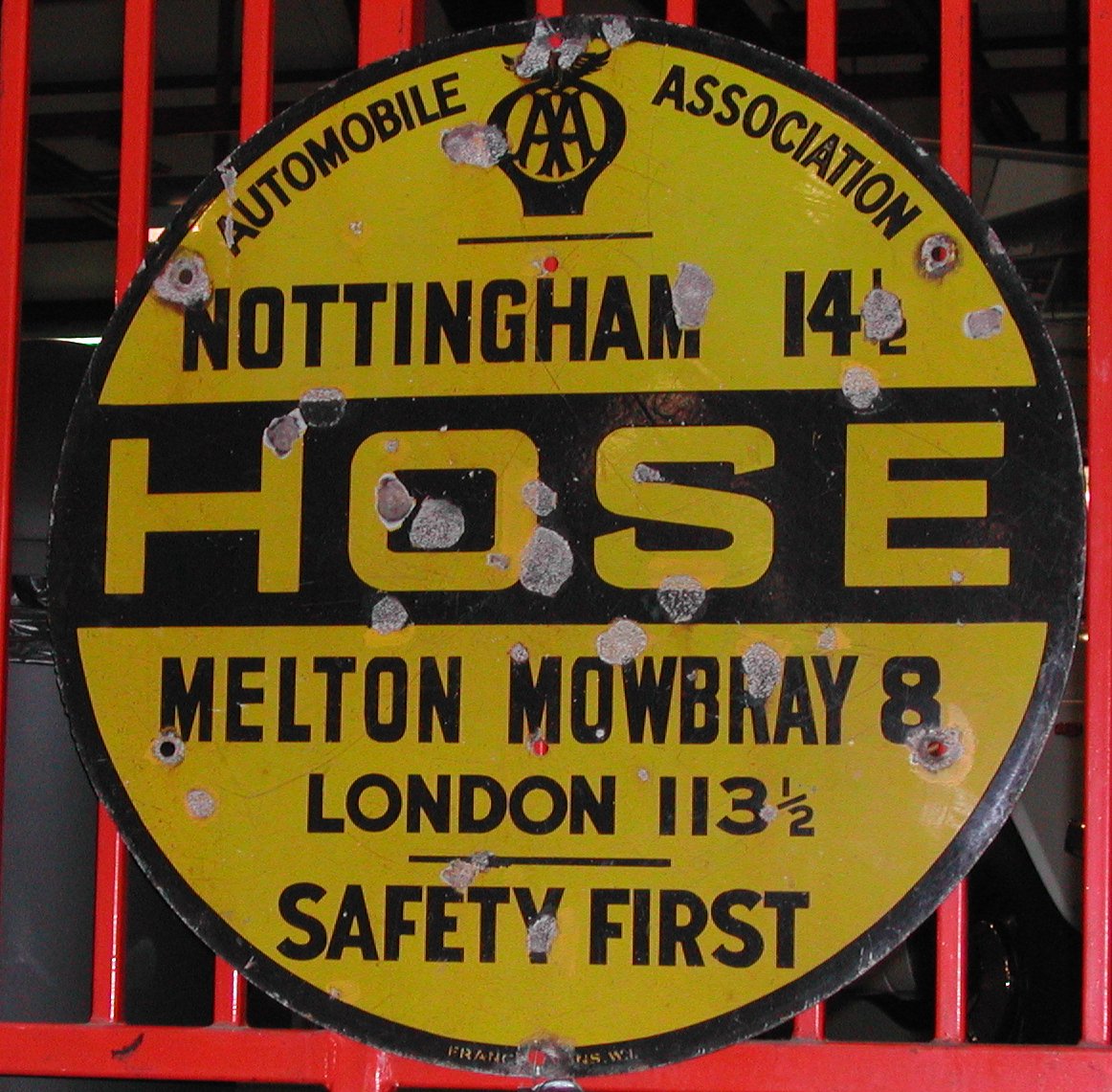
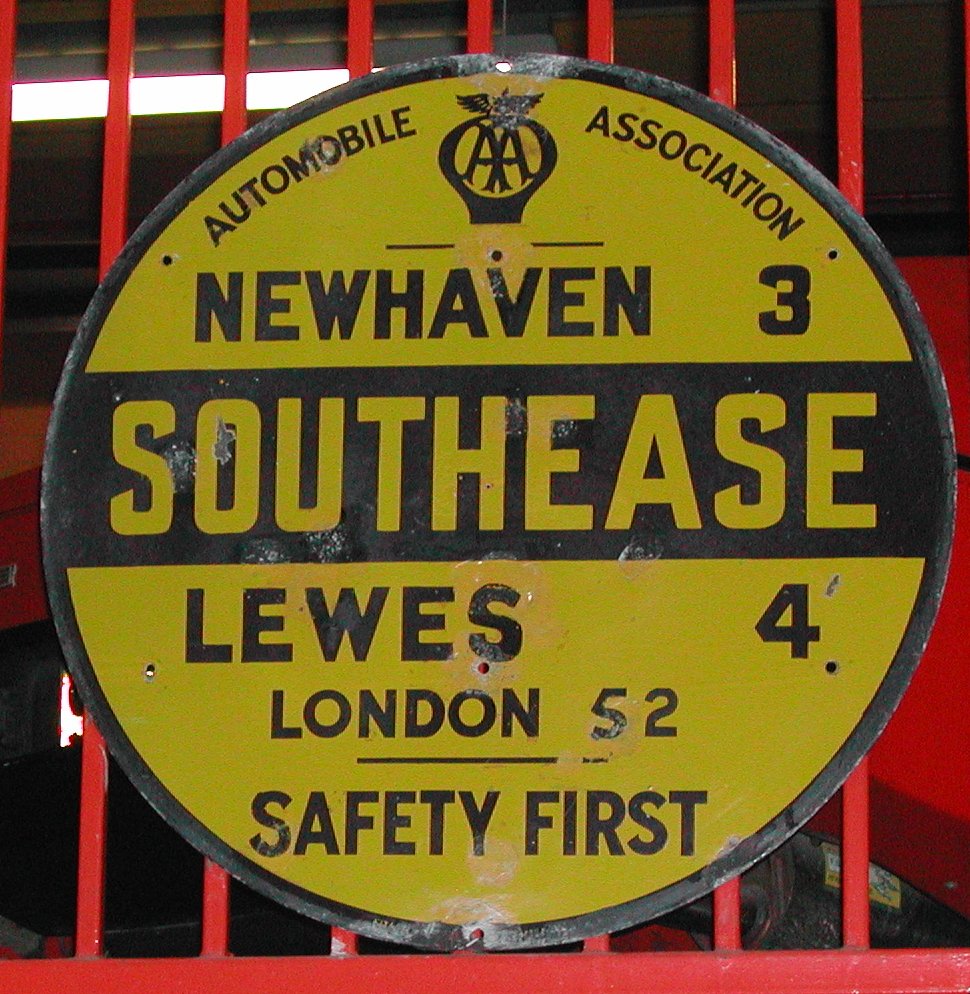
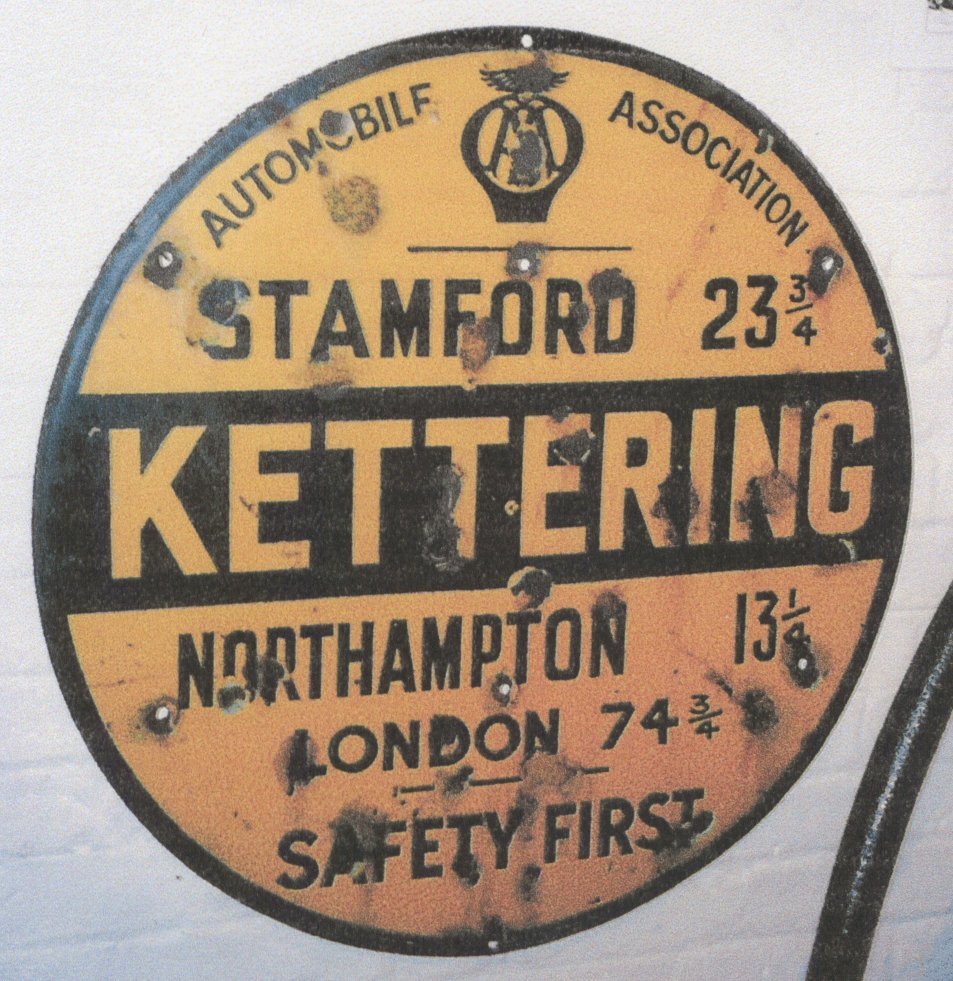
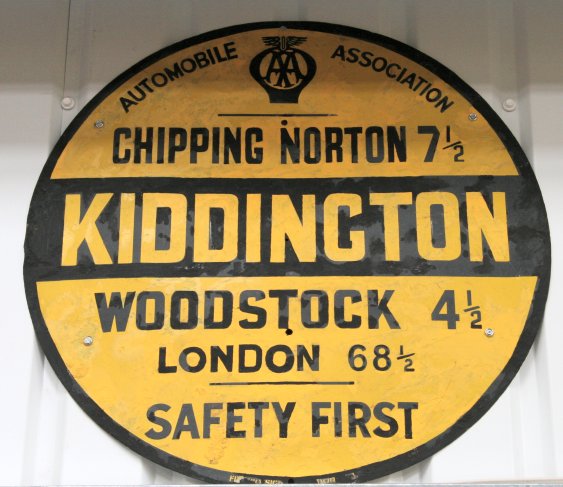
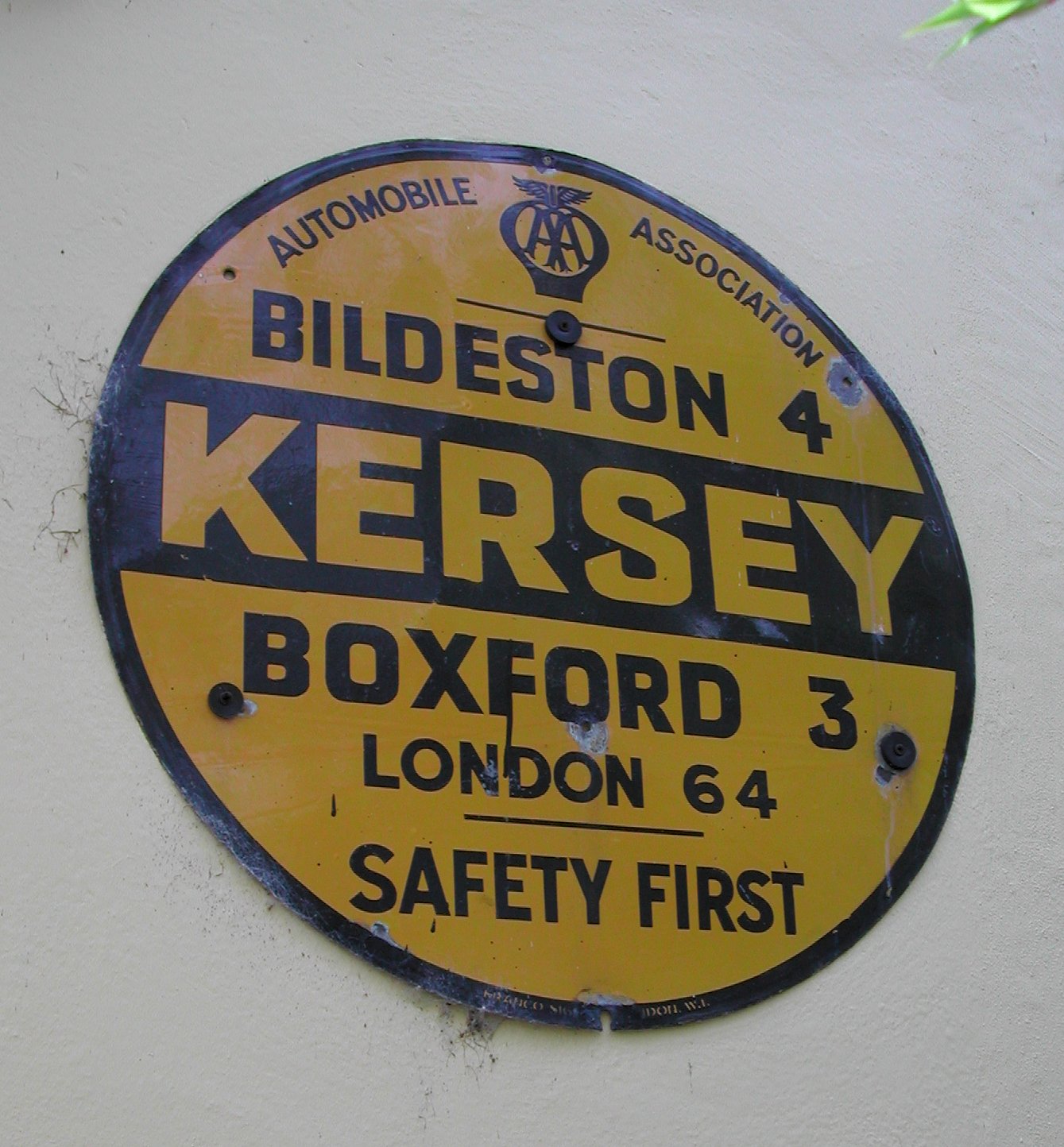
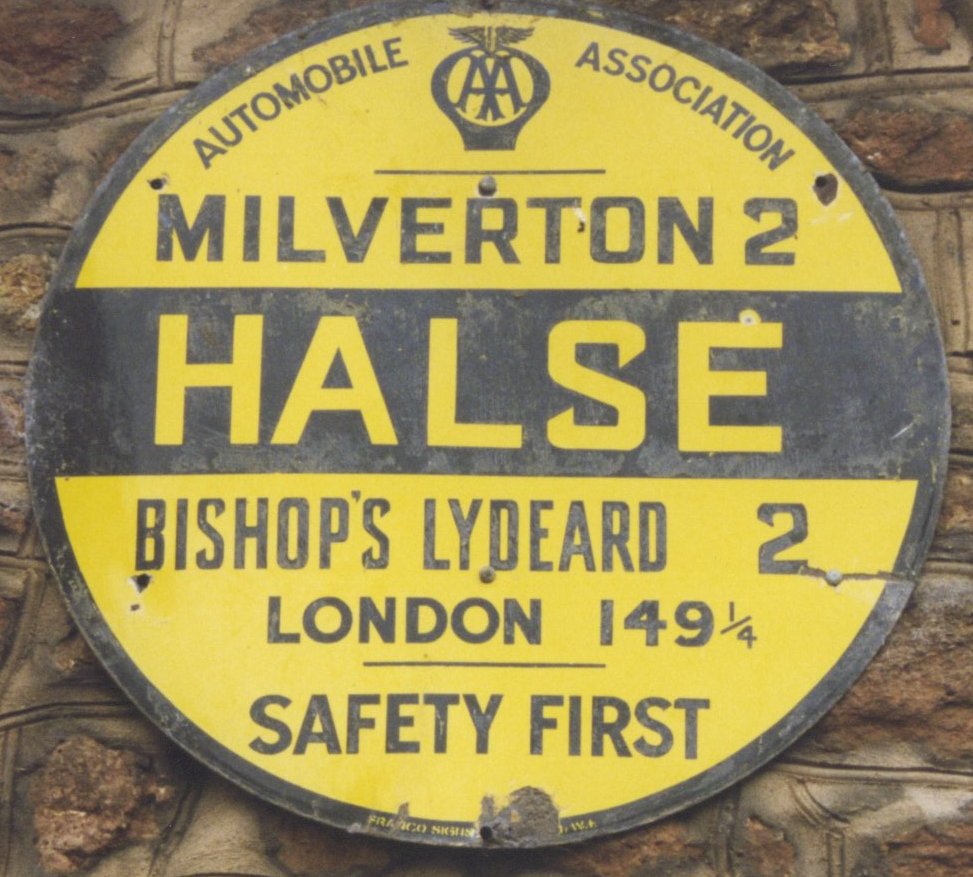
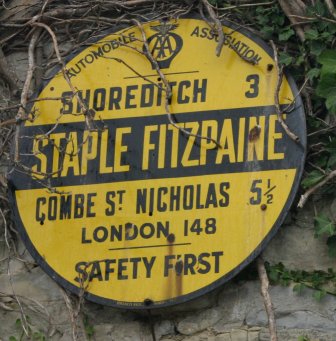
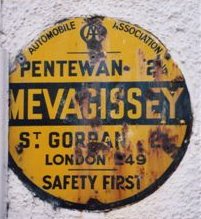
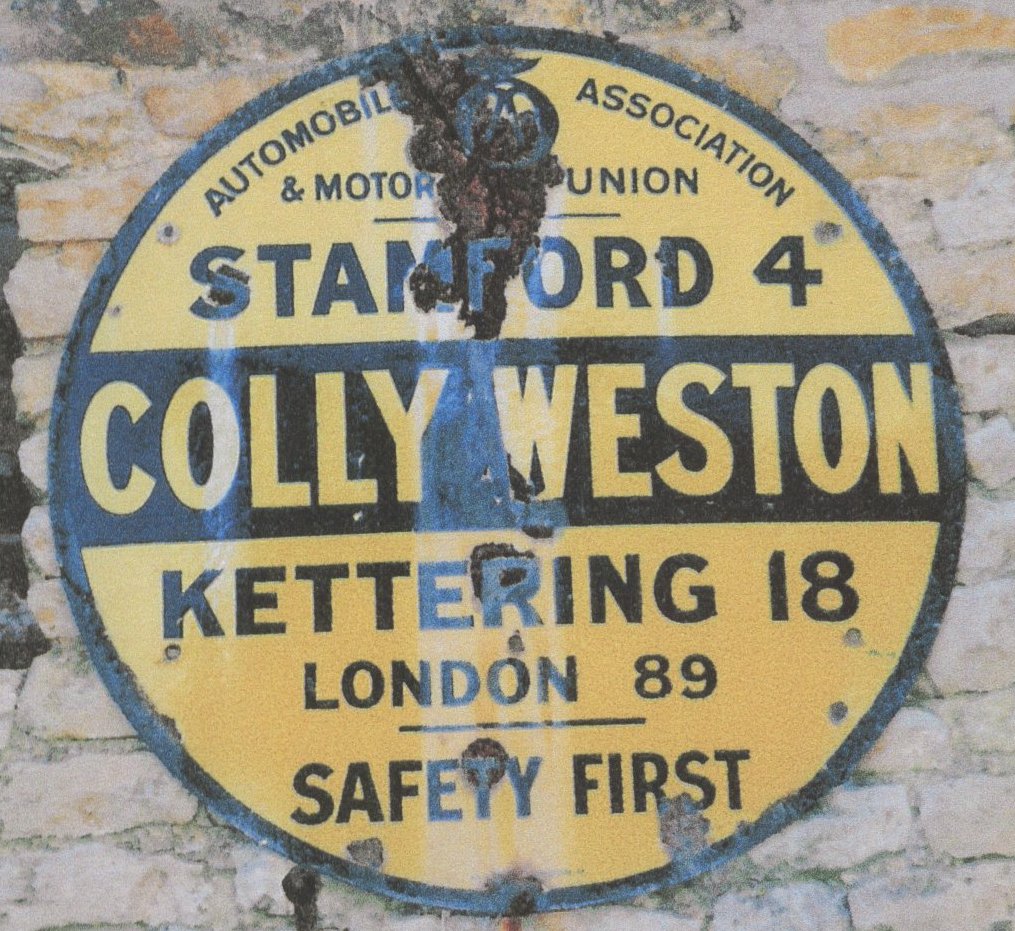
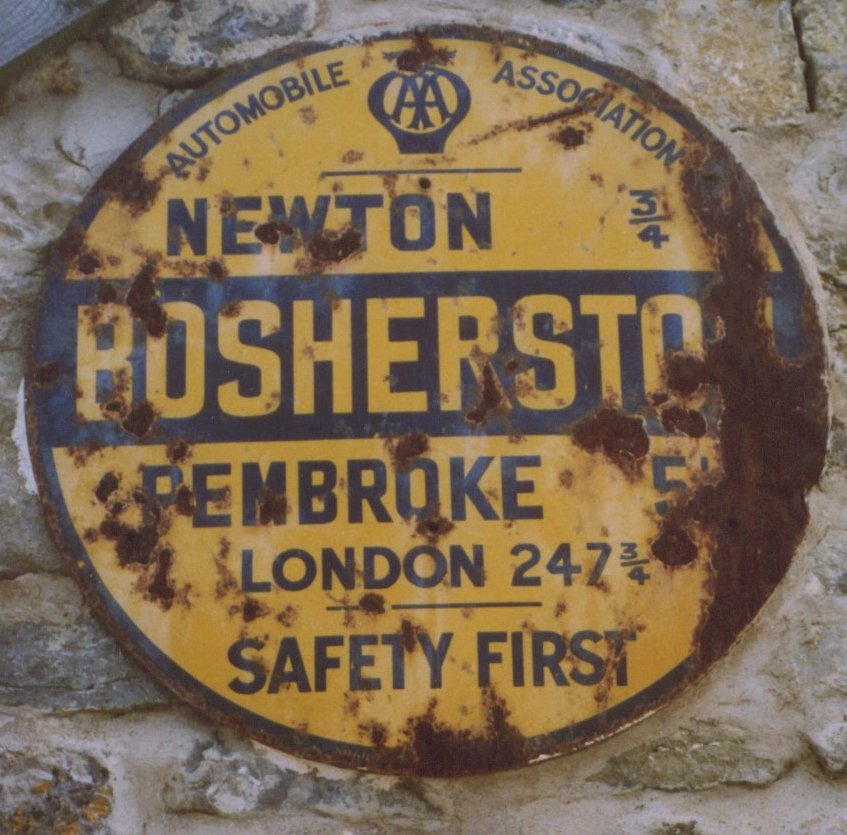
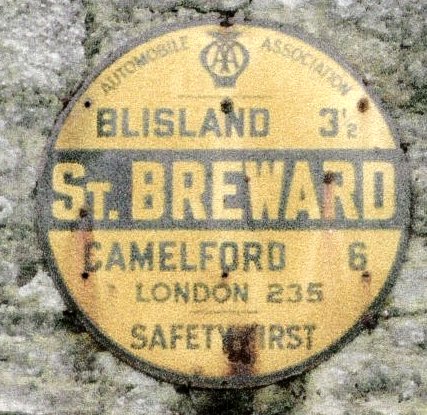
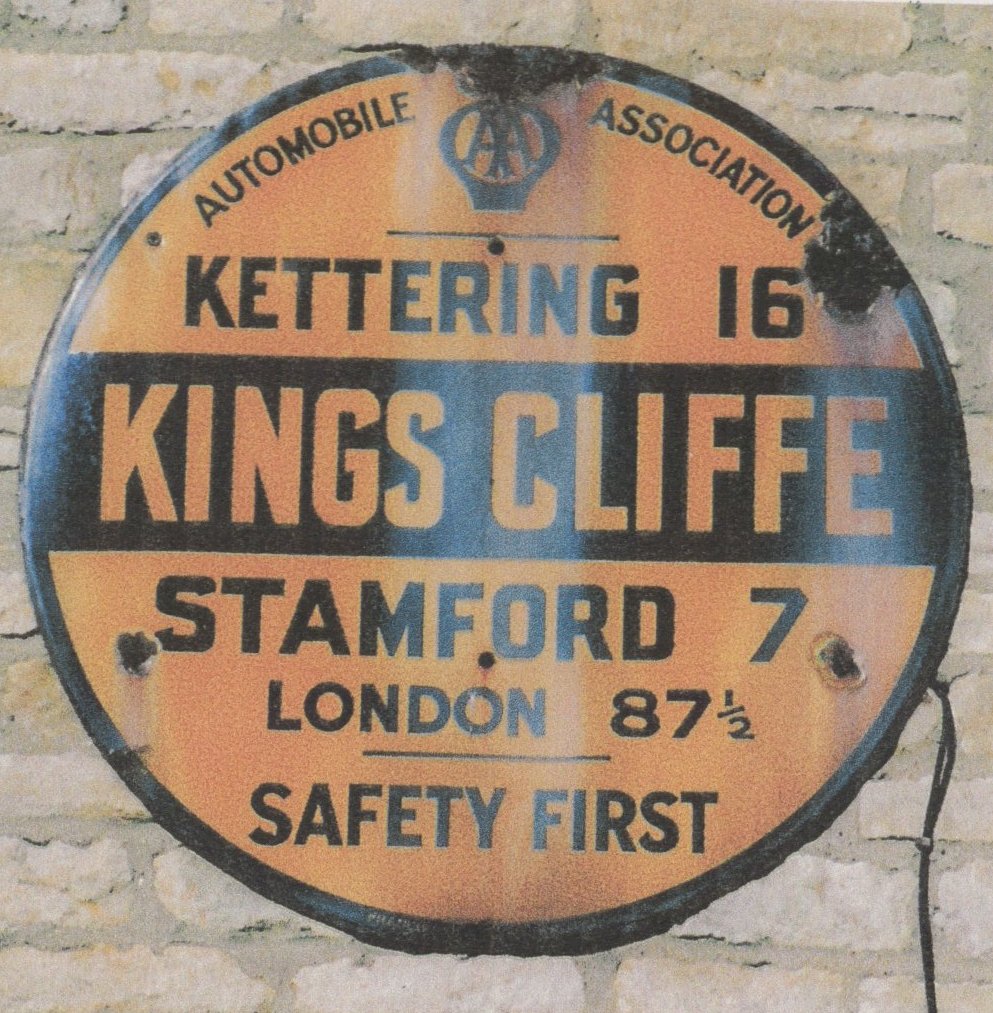
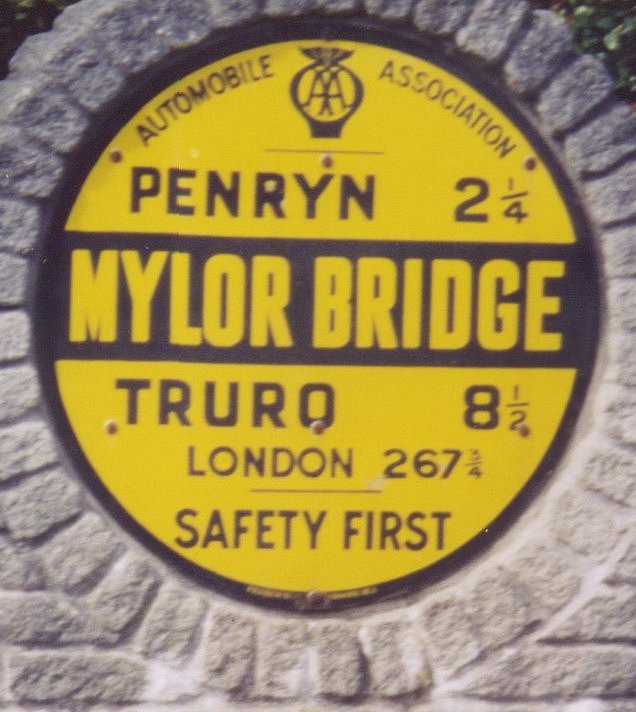
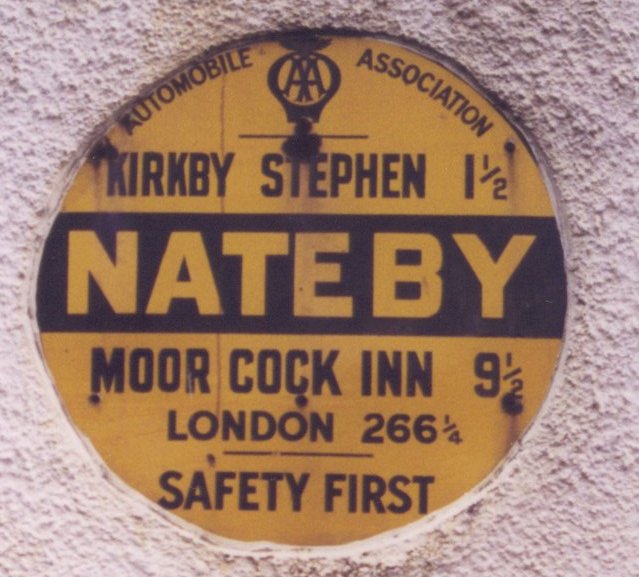
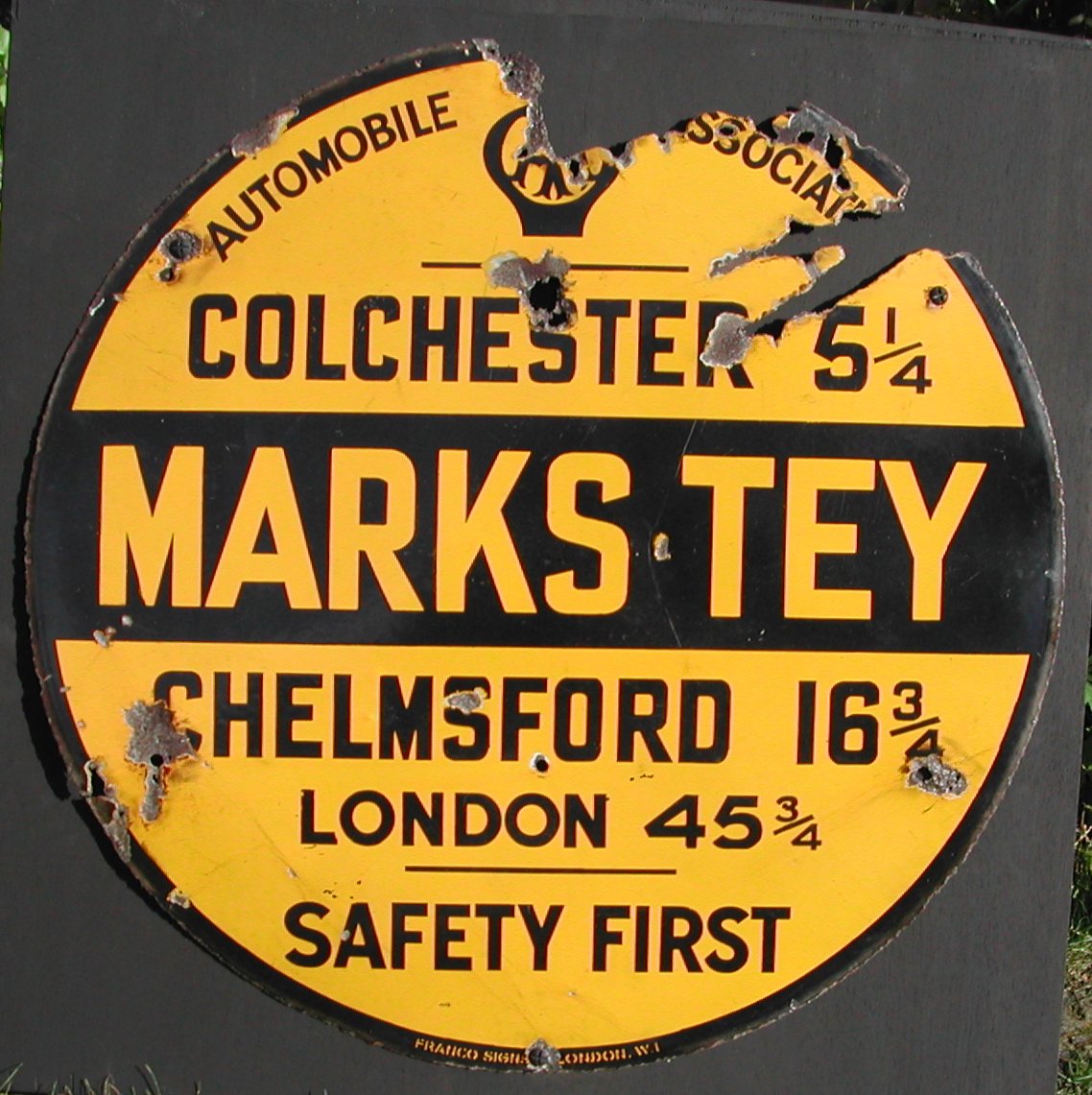
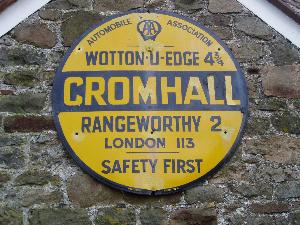
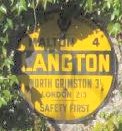
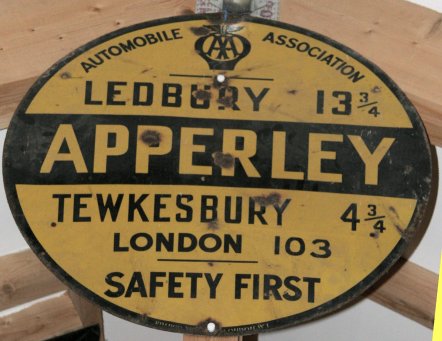
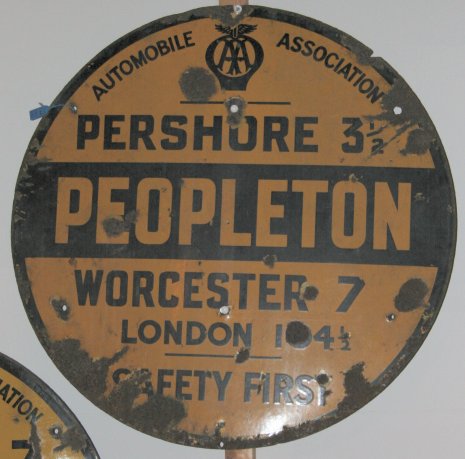
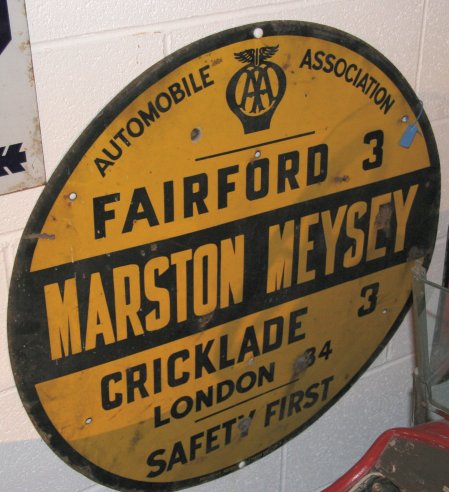
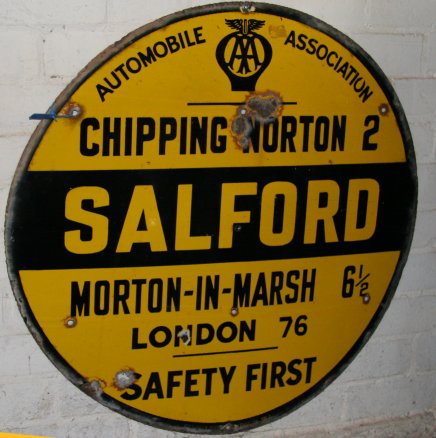
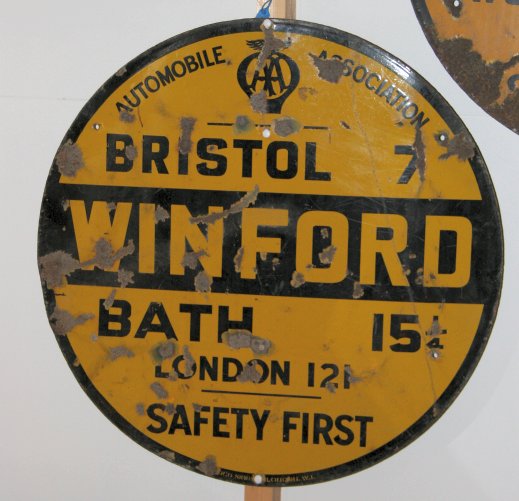
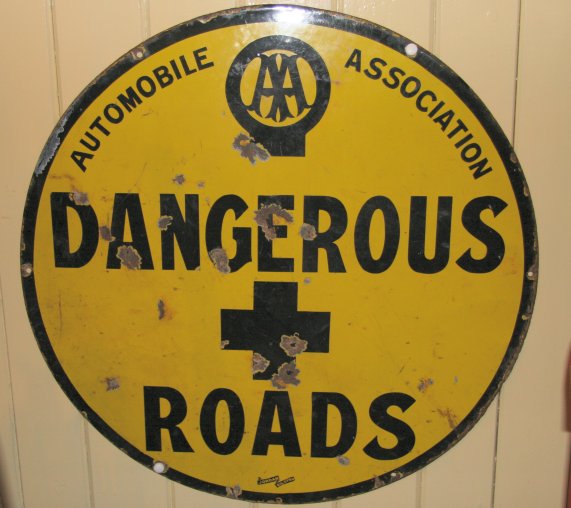
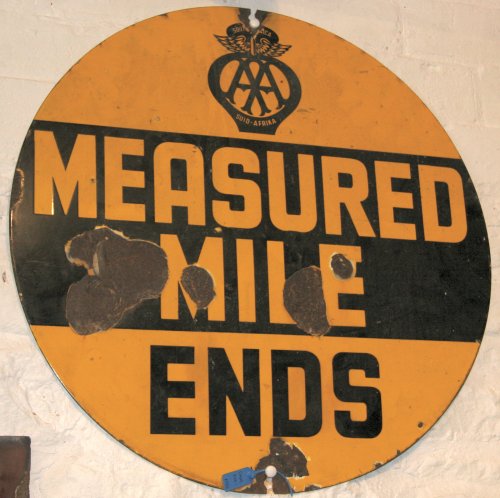
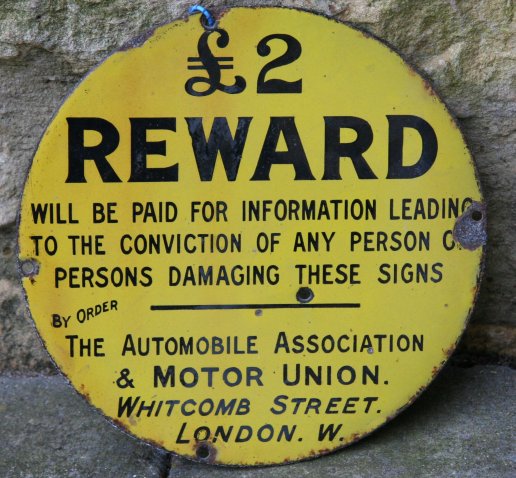
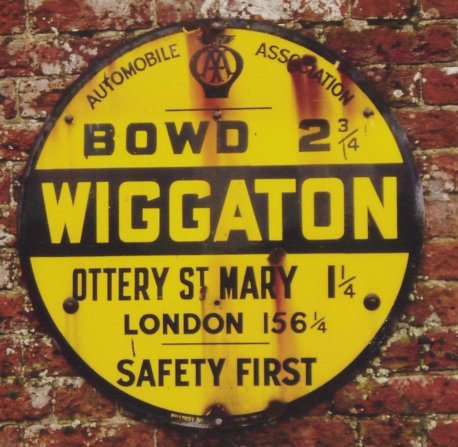
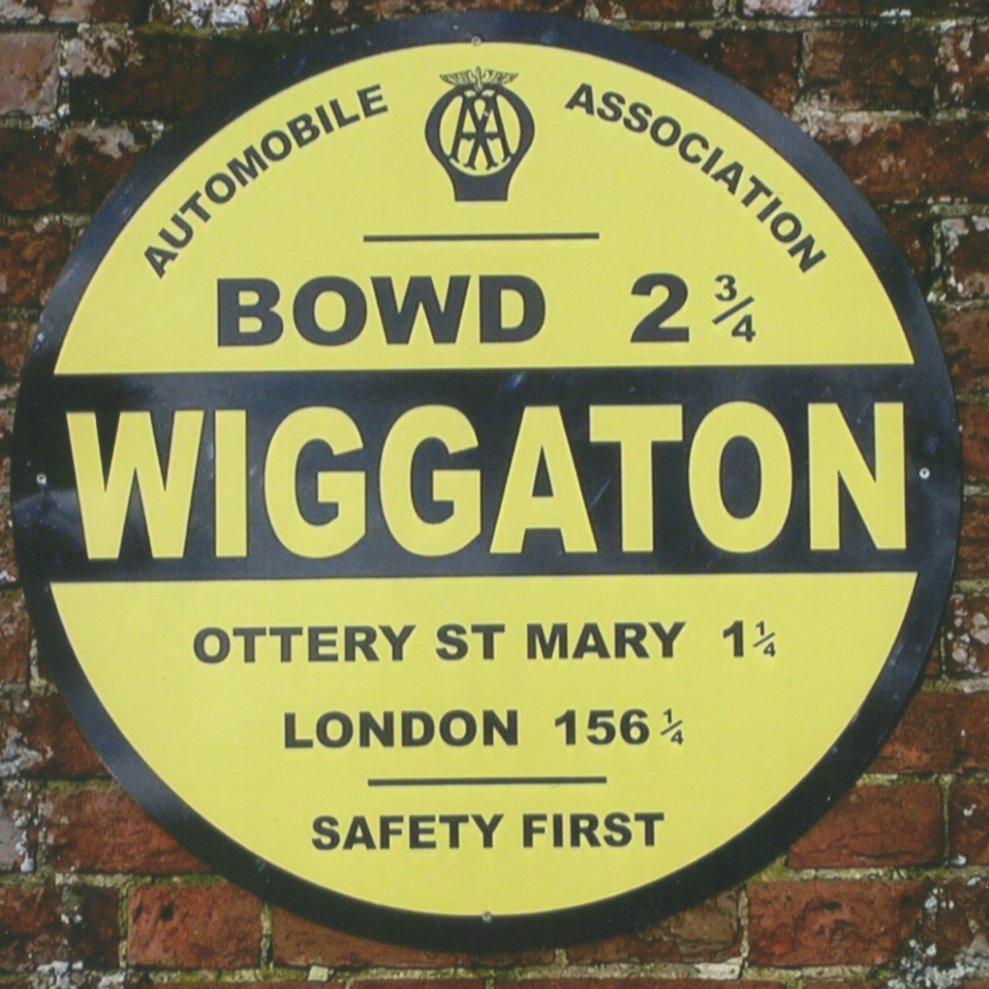
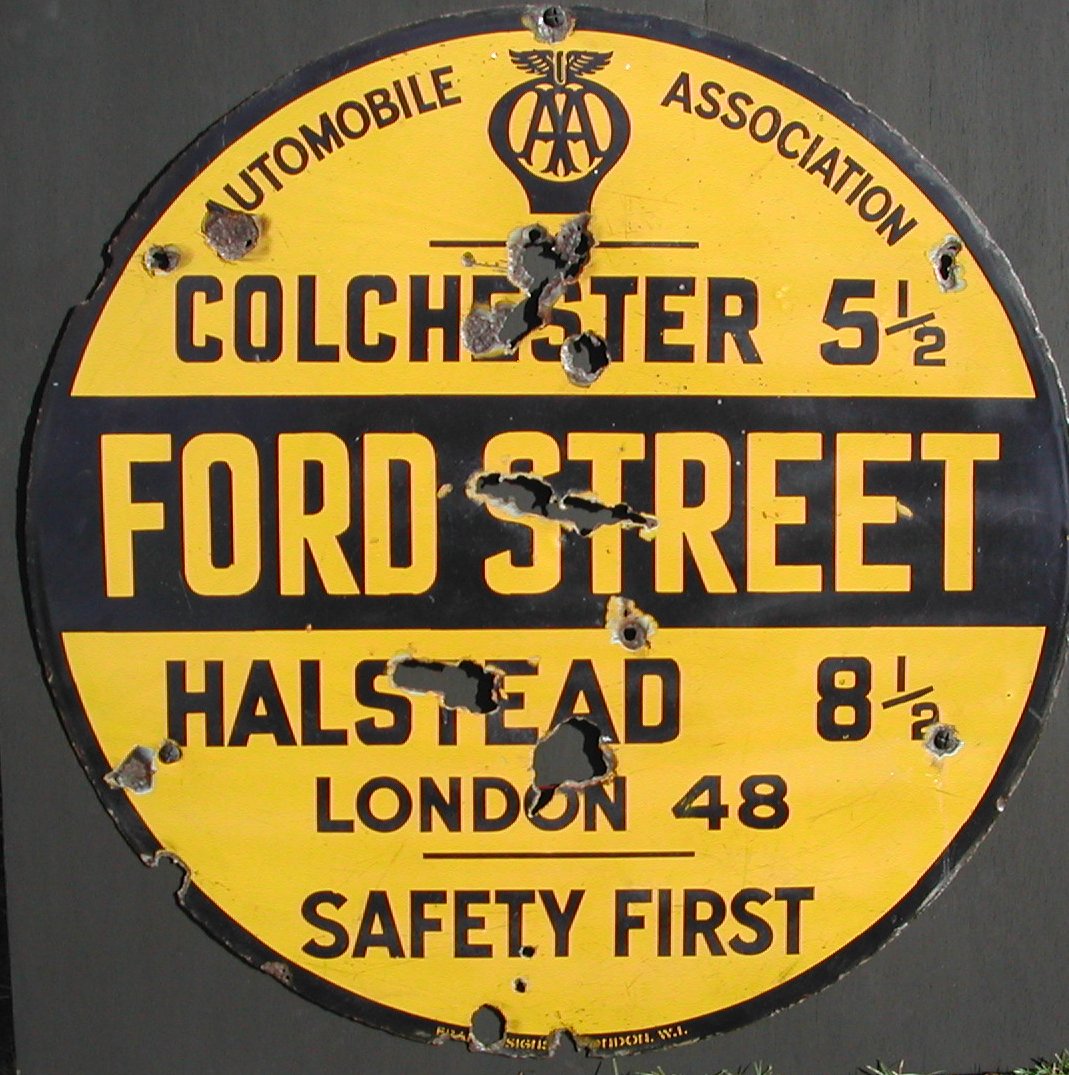
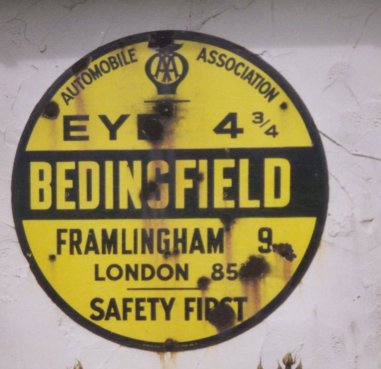
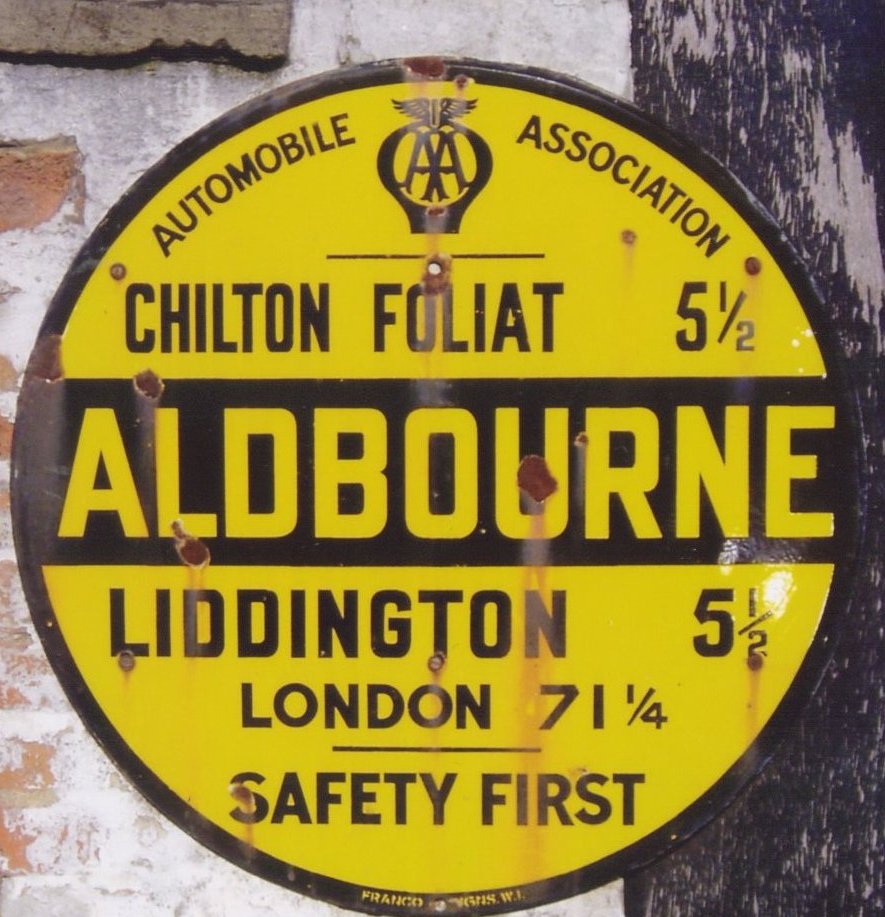
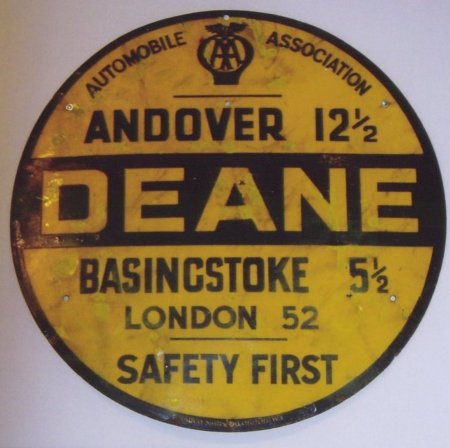
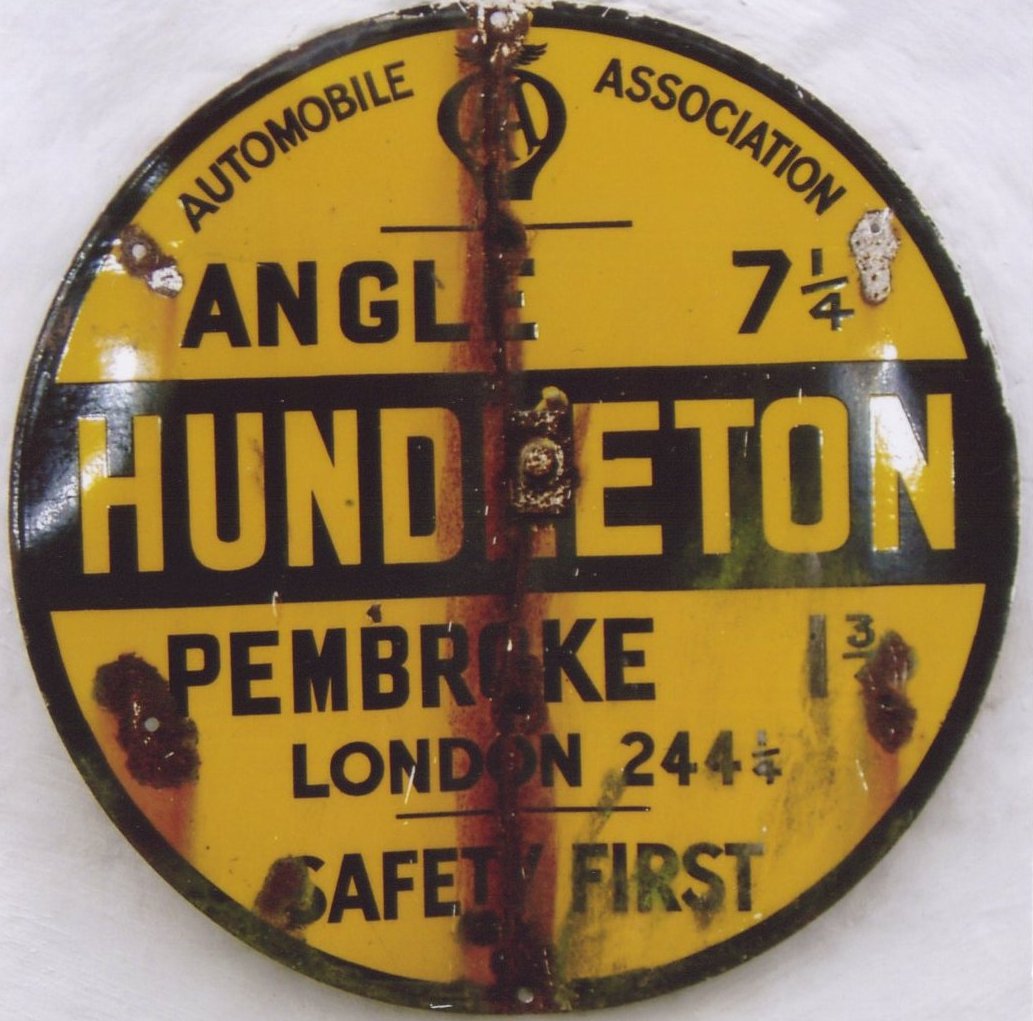
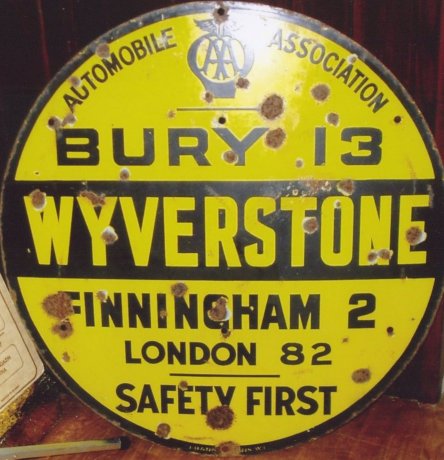
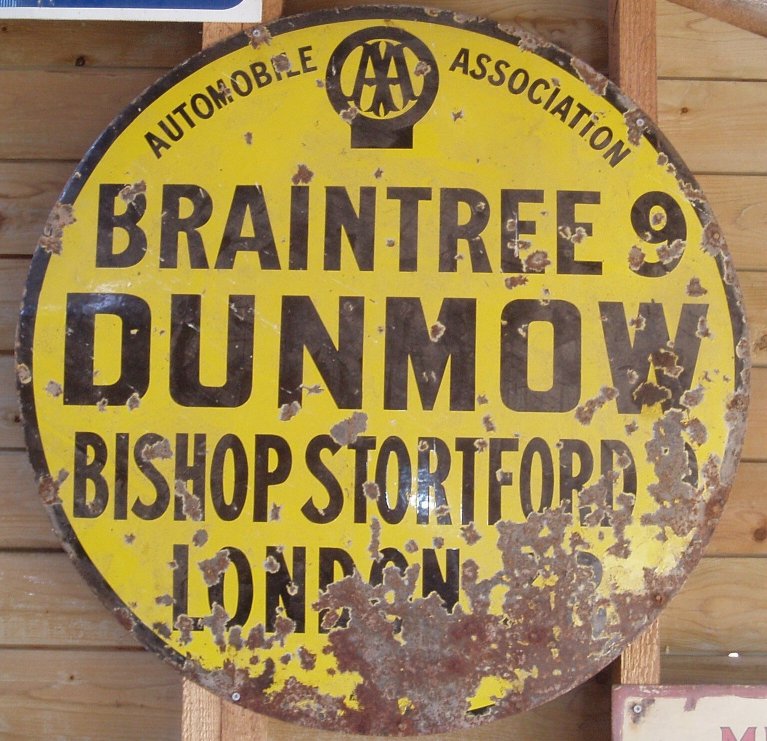
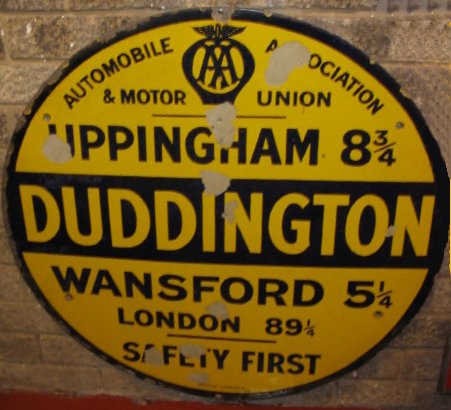
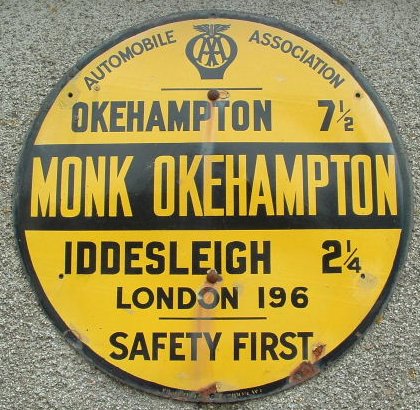
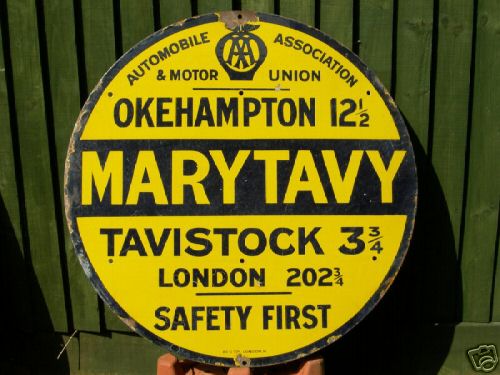
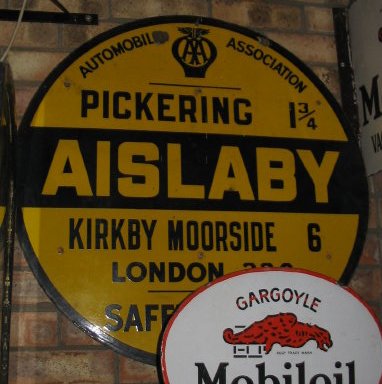
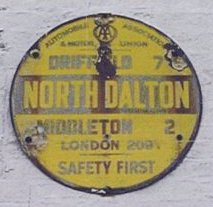
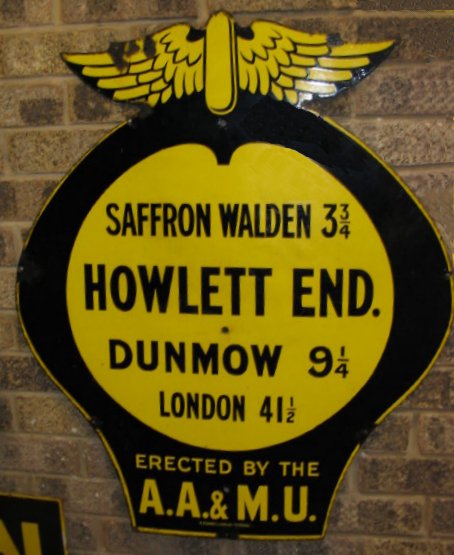
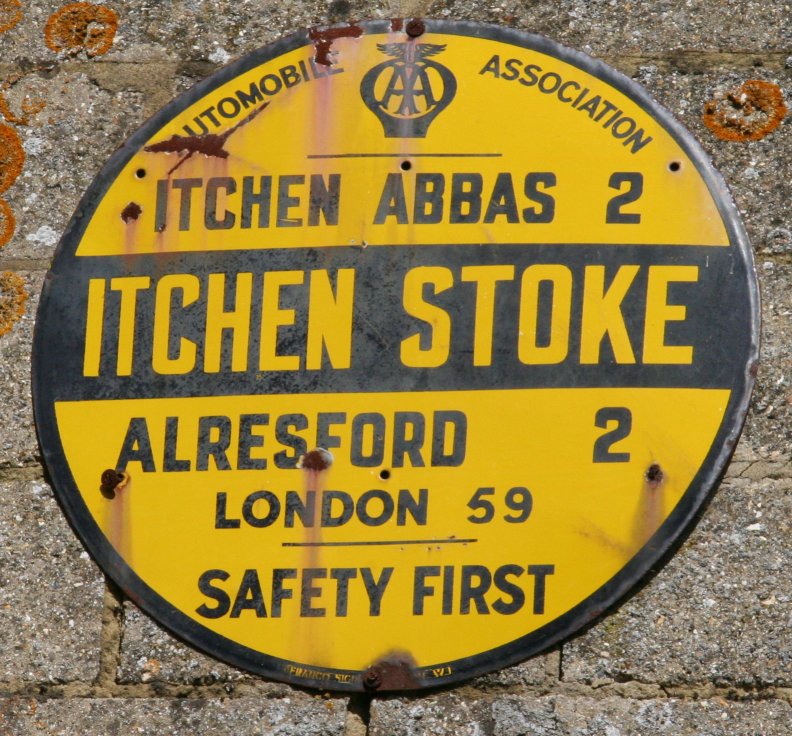
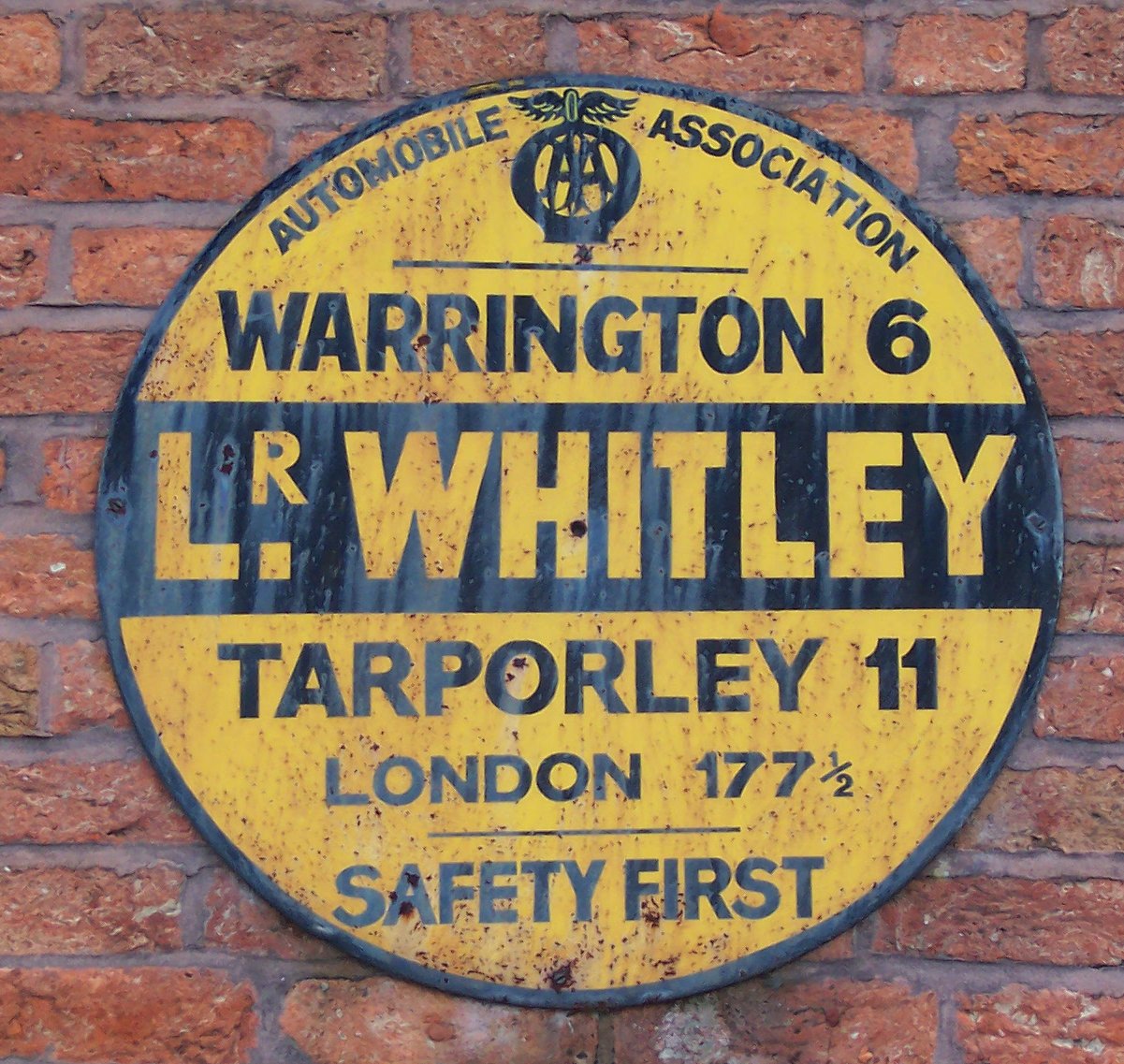
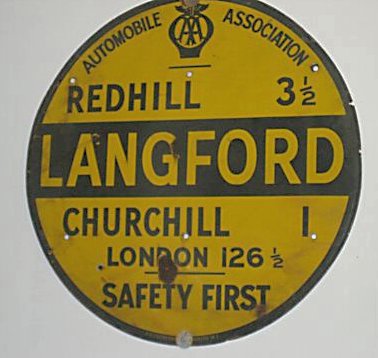
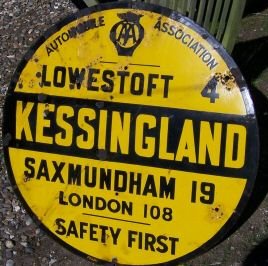
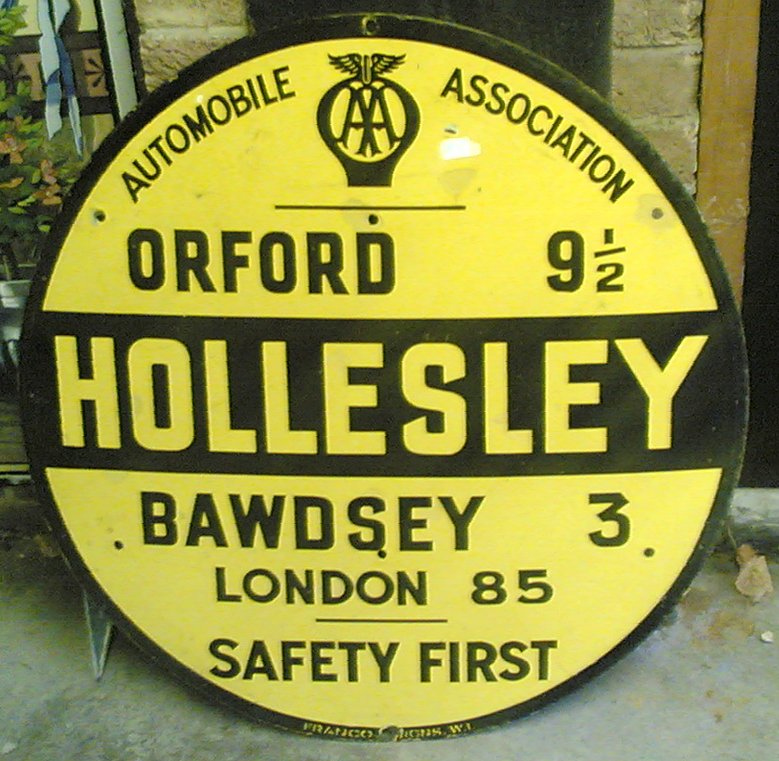
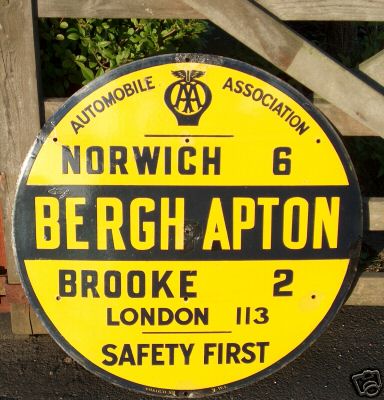
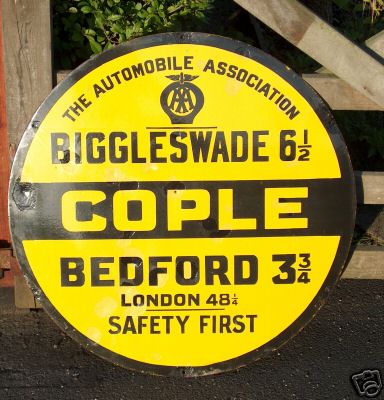
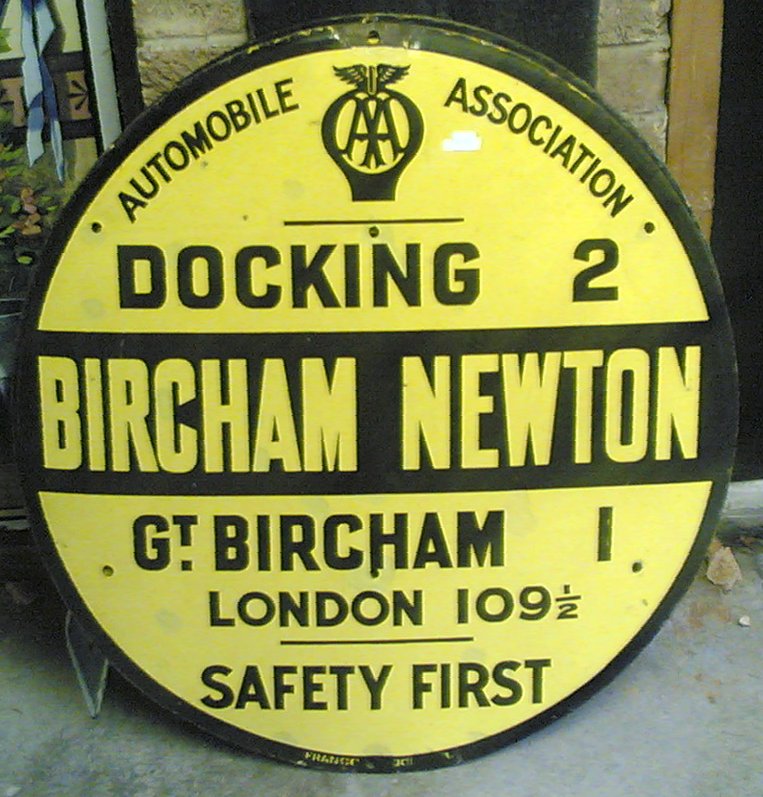
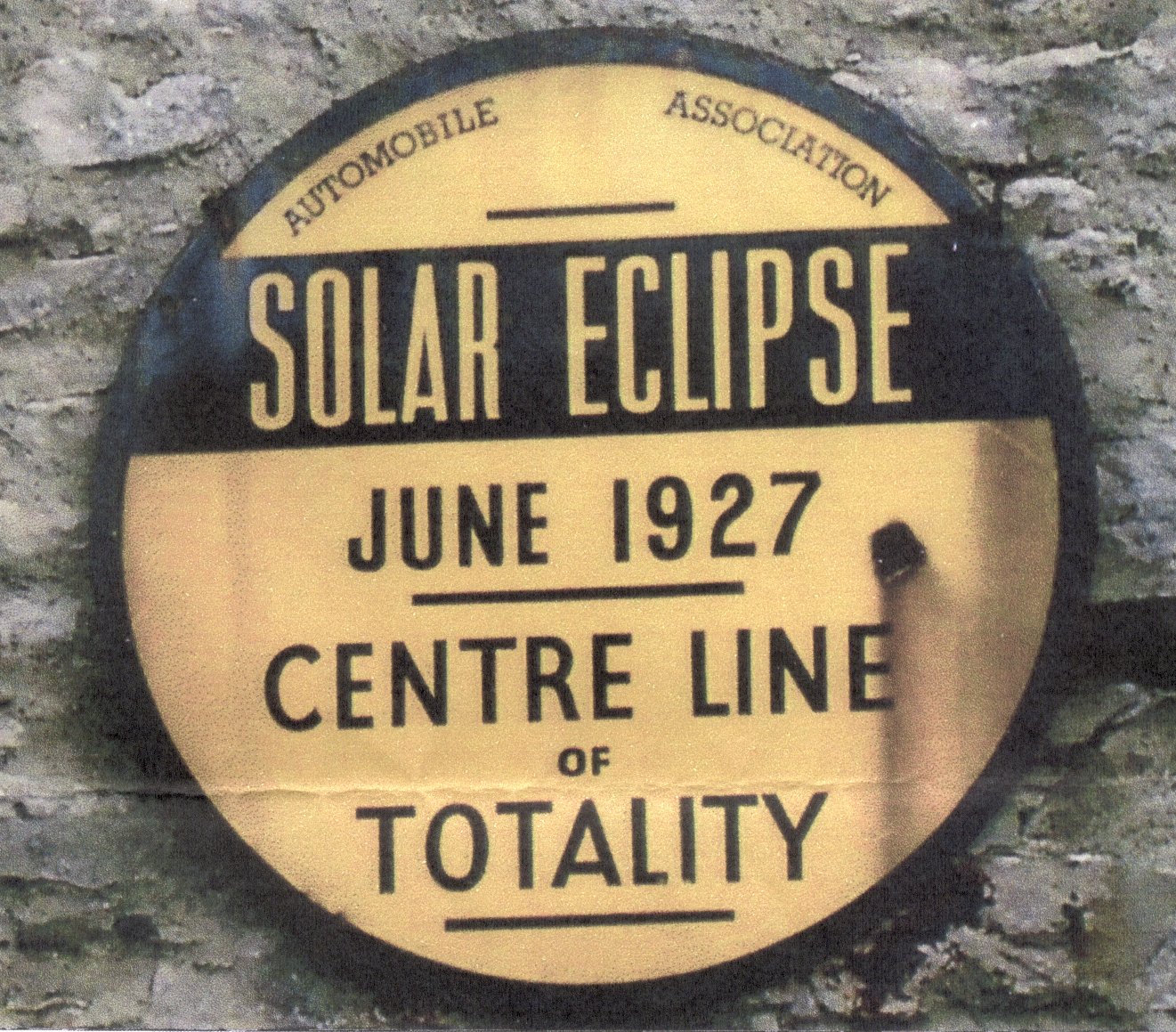
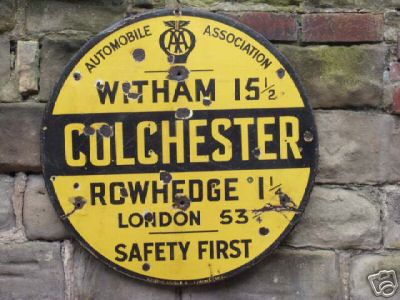
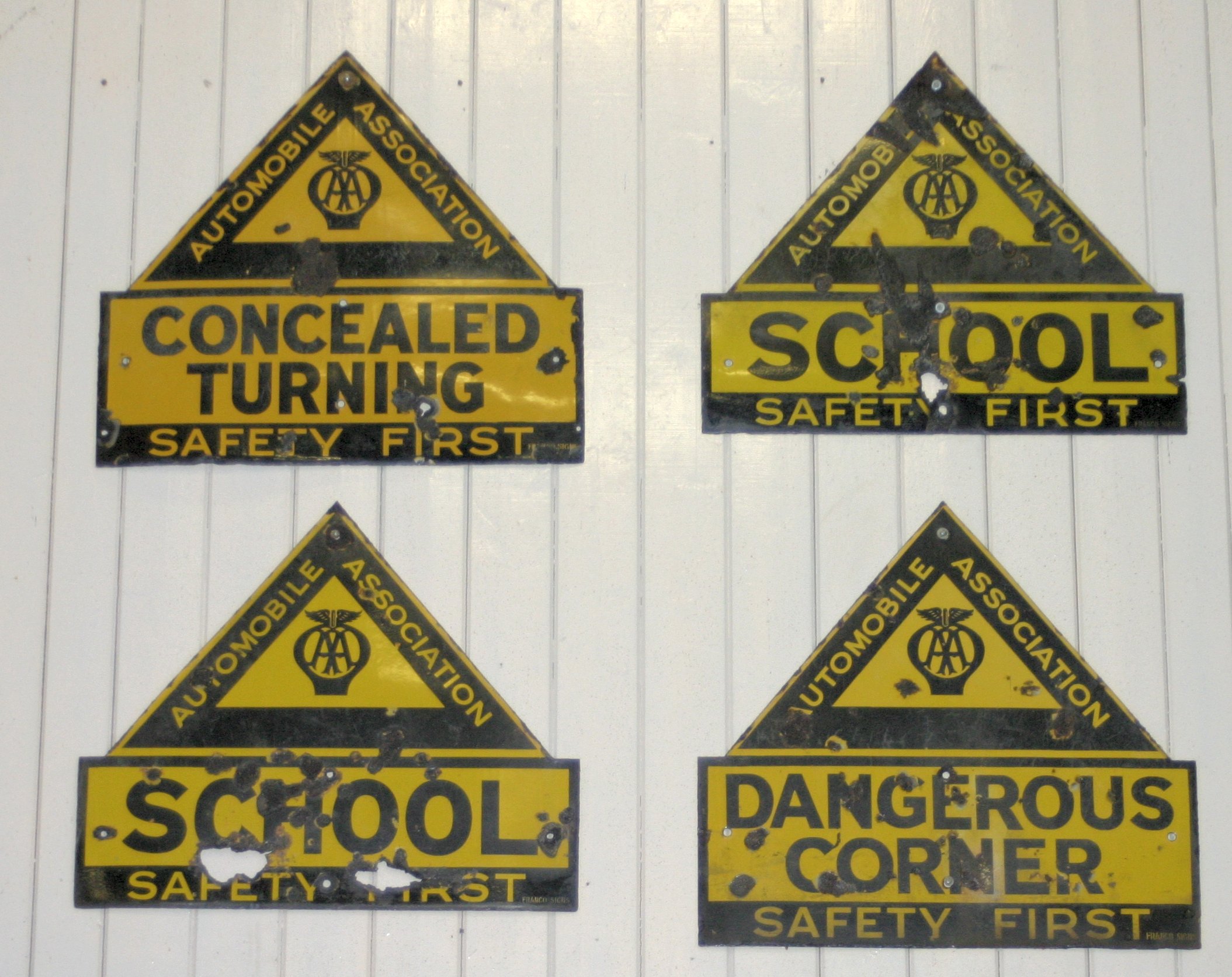
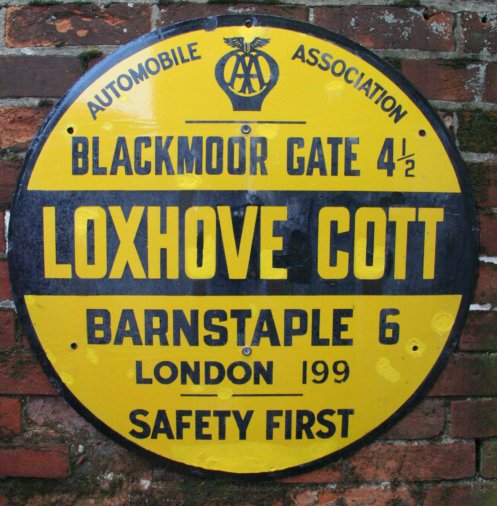
From 1906 to approximately 1932, the Automobile Association erected nearly 30000 signs in villages and towns across Great Britain. Most were removed during the war when a Nazi invasion seemed highly likely. At the end of World War II, only 600 or so were left and today there are around 65 still in situ around the country. Many more have survived in museums and private collections.
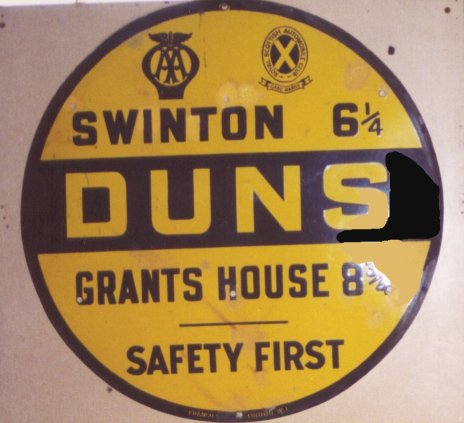
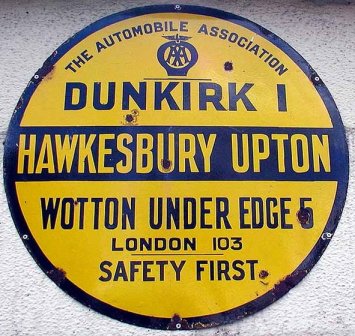
The Colne Valley Postal History Museum is also home to the National AA Village Signs collection, comprising more than 60 of these iconic round village name signs from across the UK - the largest display of these anywhere.
These pages illustrate the diversity and show some of the obscure signs so far unearthed. Should you find one not shown here, we'd be pleased to hear from you. Please e-mail the Curator at kitmasterbloke@gmail.com.
Curator Steve Knight shows you around the collection in this short tour:
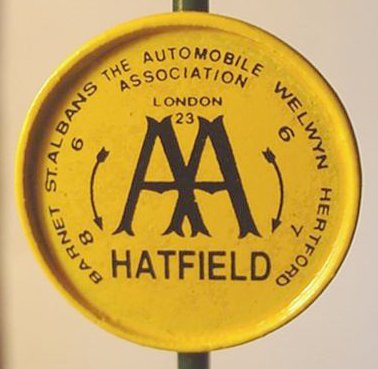
The first sign
The very first sign to go up, in 1906, was on the Great North Road (to become the A1, now the A1000) at Hatfield in Hertfordshire. The design was immediately recognisable in that it was circular and in the AA colours of yellow & black. It differed considerably from later designs, not least in being mounted on a street lamp rather than a wall. The model is by the excellent English manufacturer DG Models / Autocraft Plus who also model AA vehicles.
How the designs developed
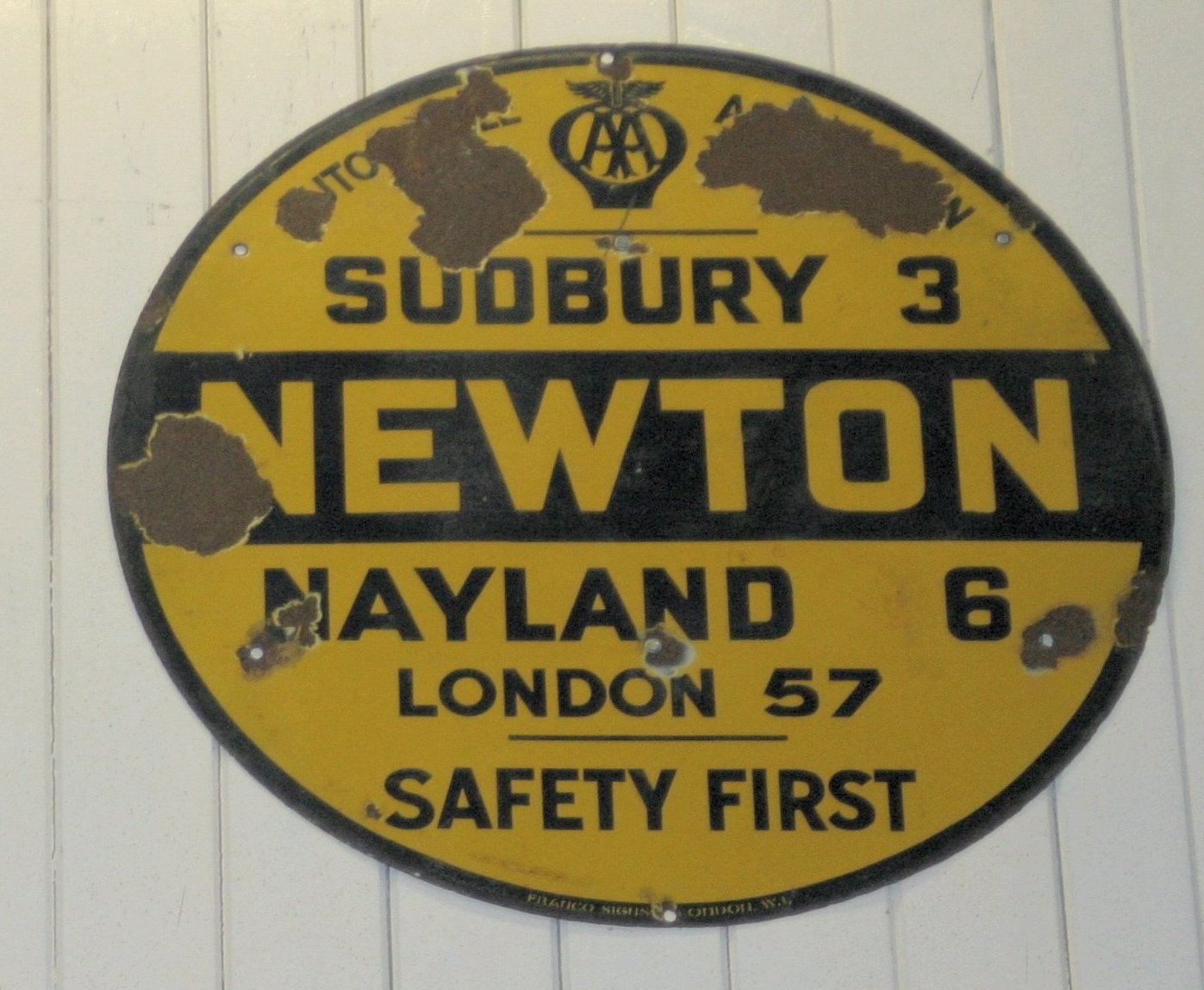
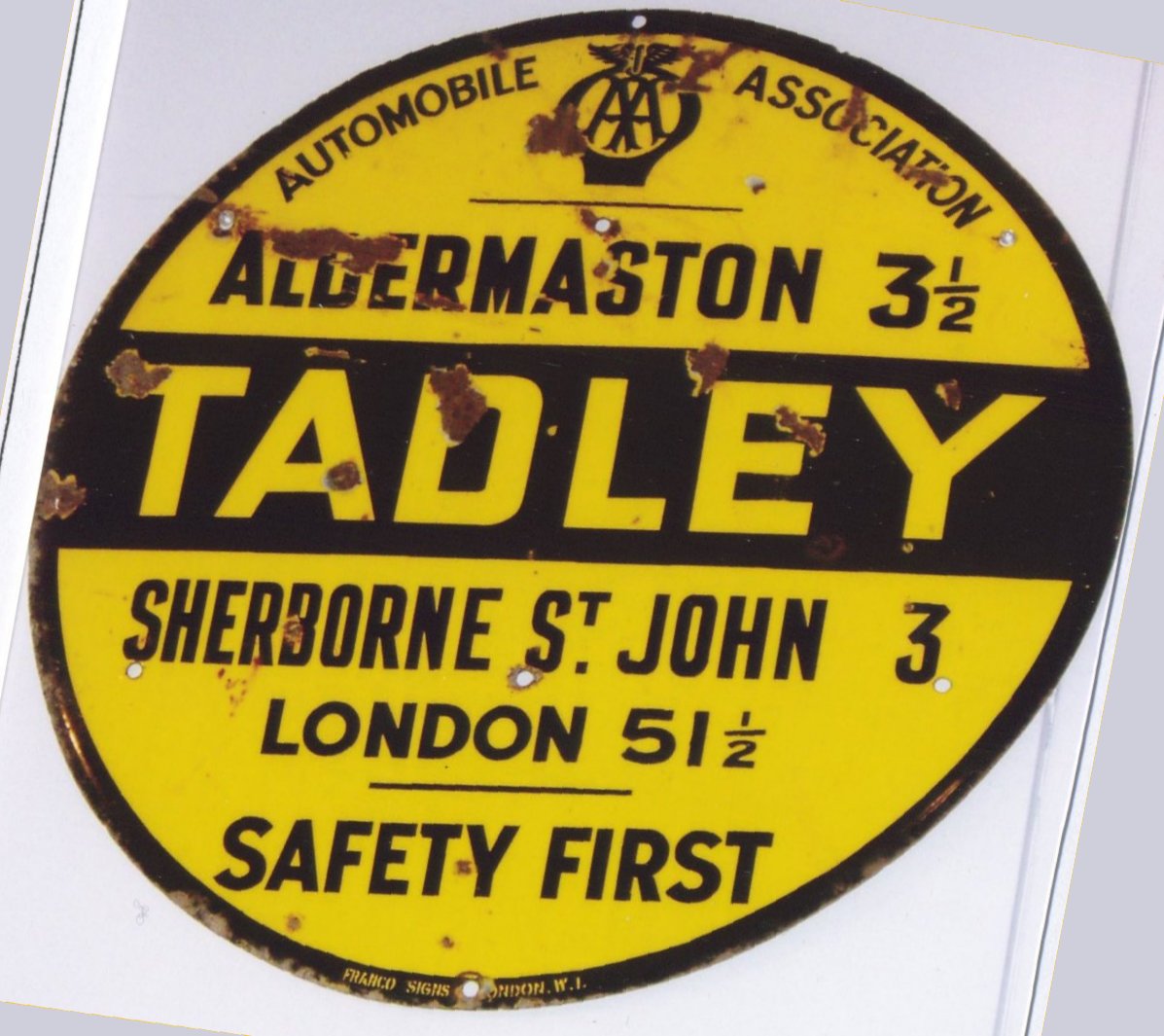
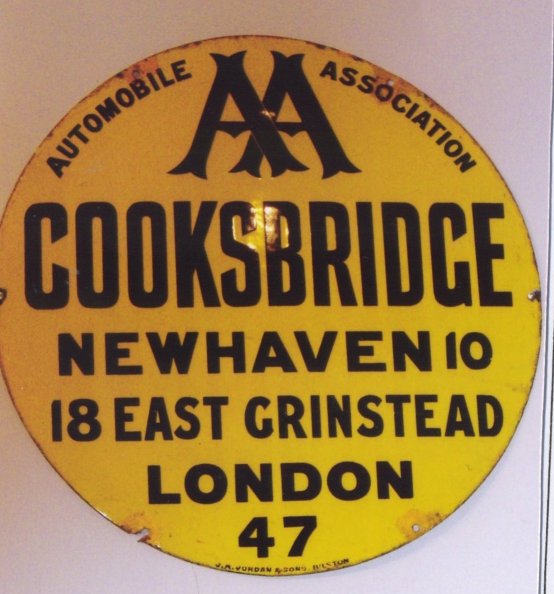
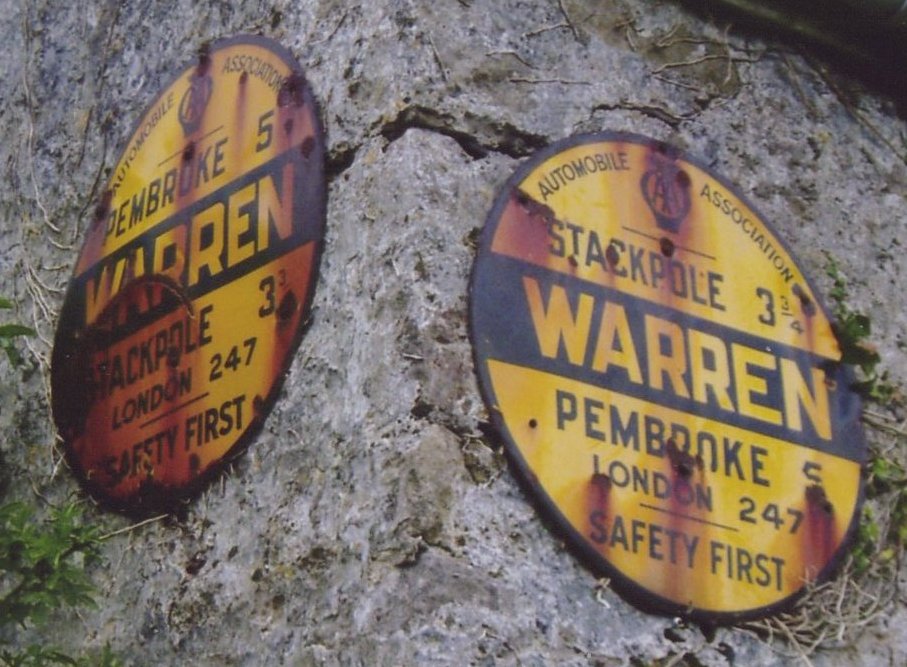
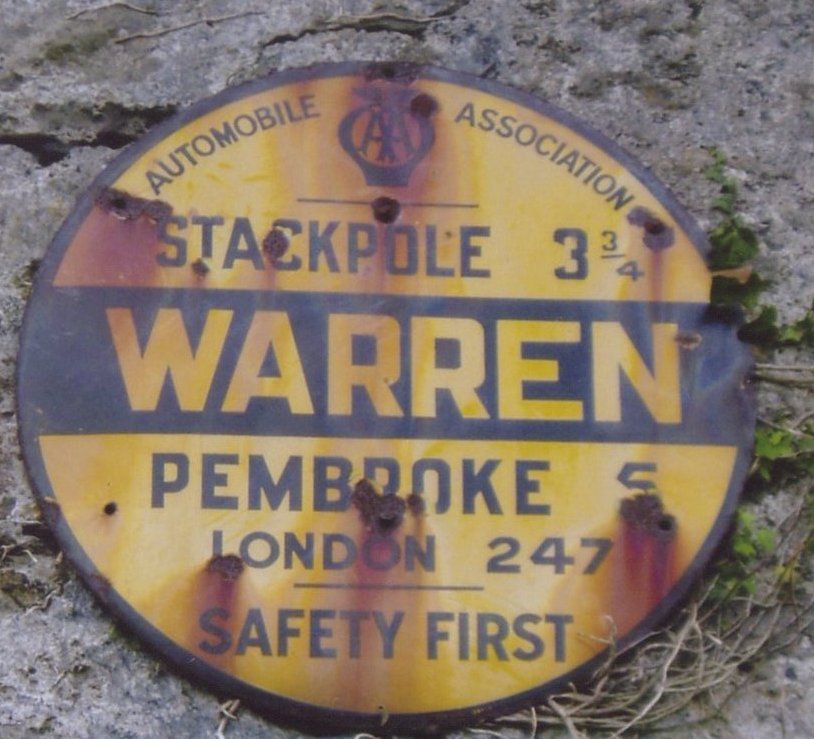
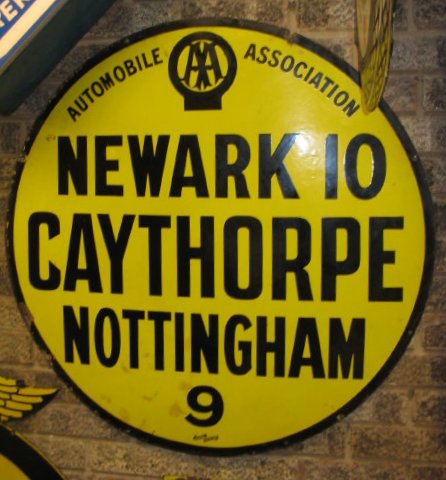
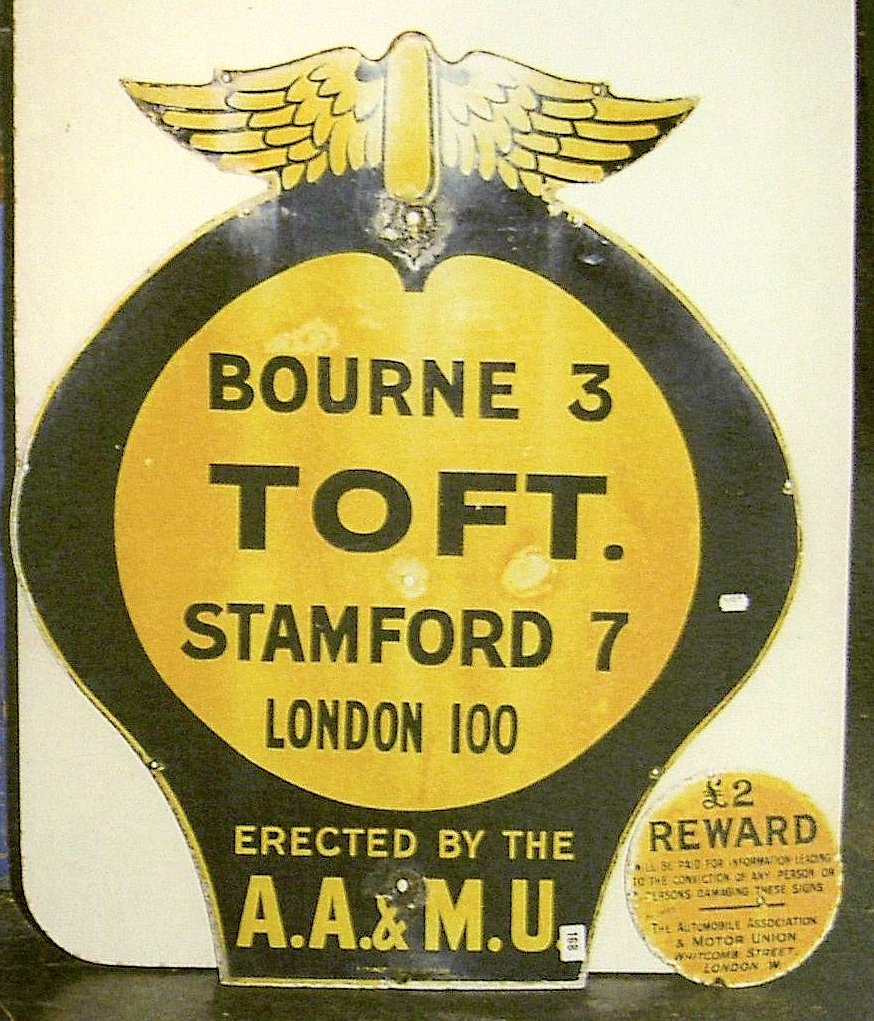
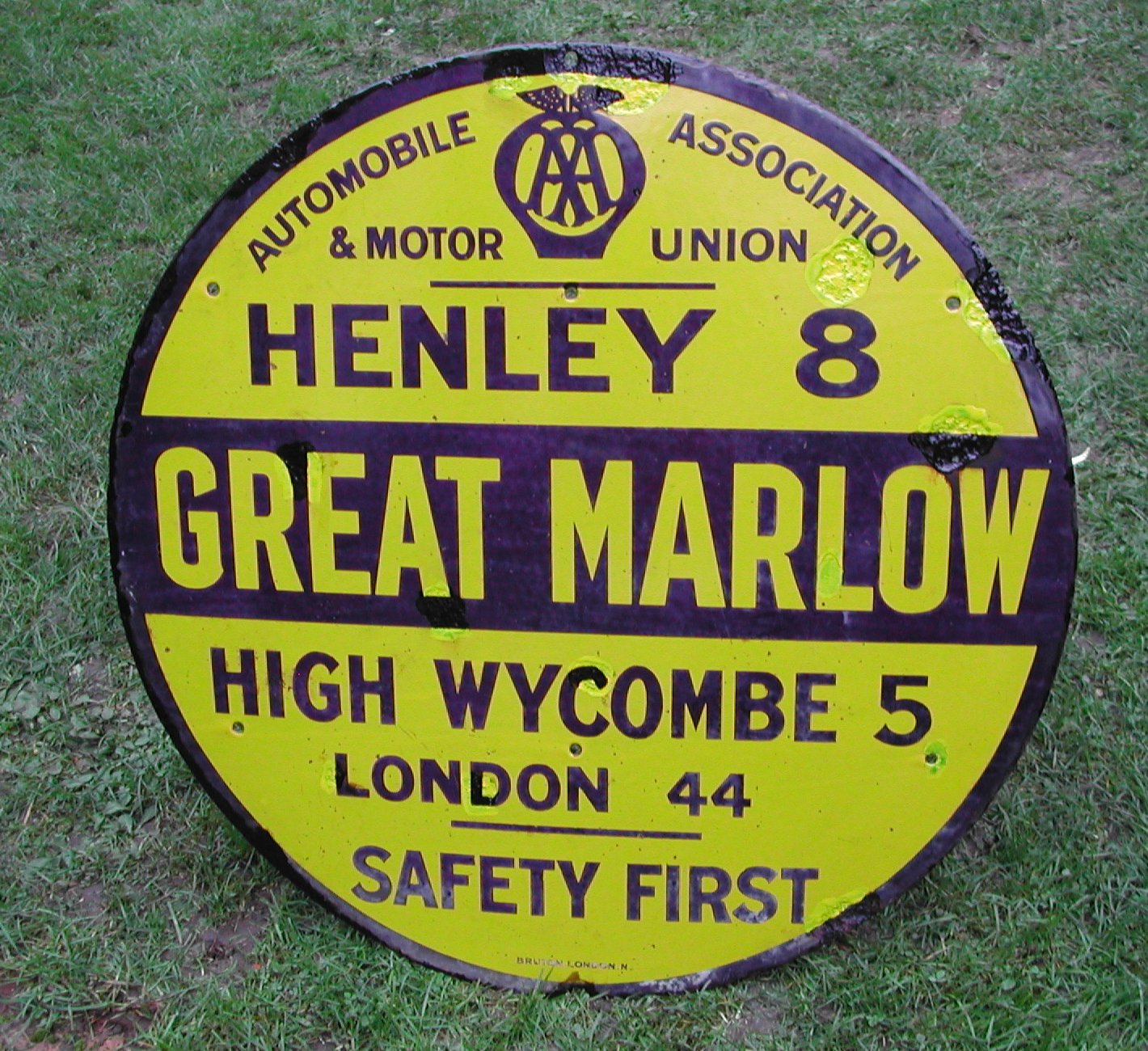
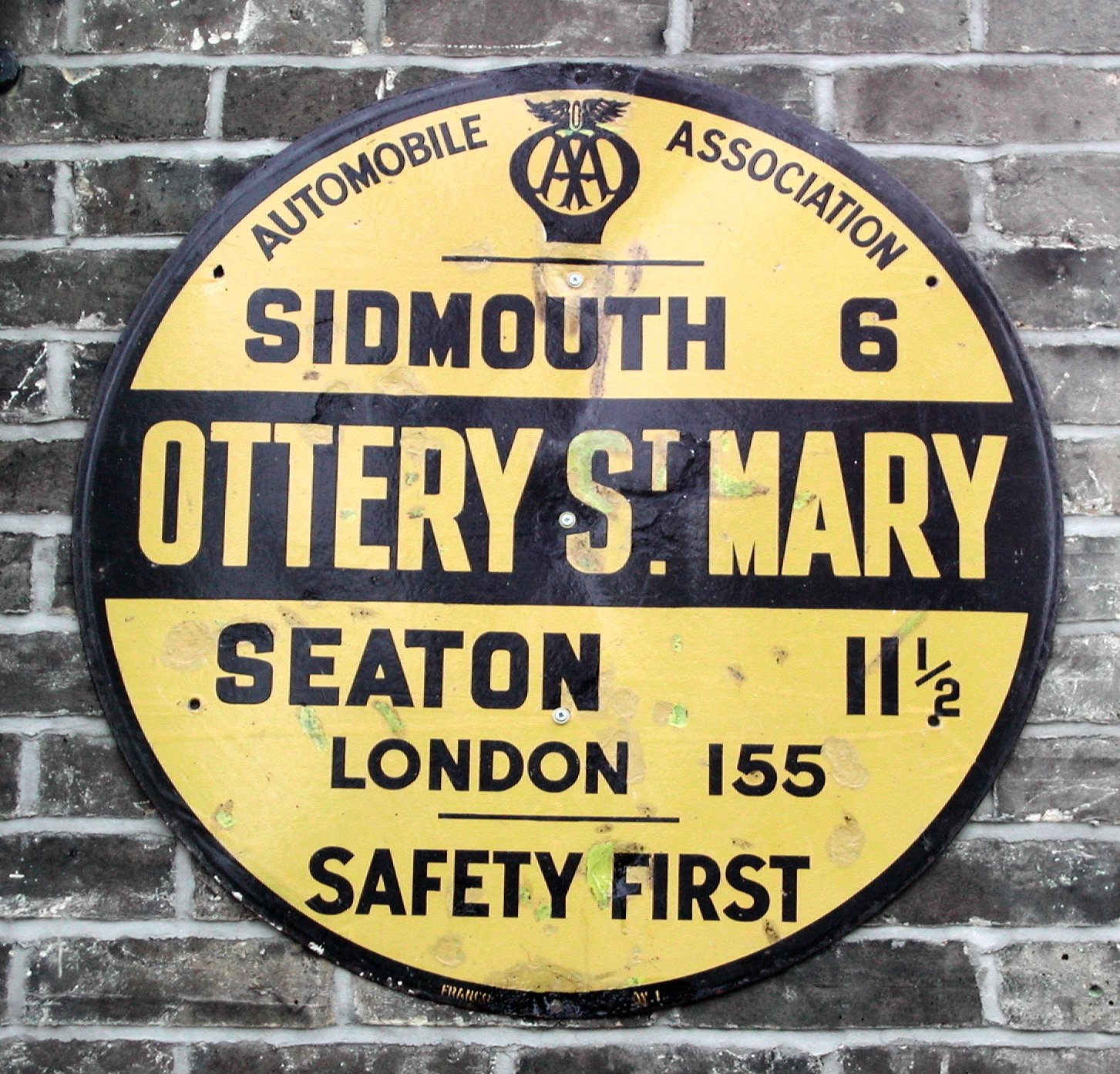
The most common design is the circular sign approximately 1 m in diameter. The earliest show the interleaved letters "AA" but not in a badge form. These were erected from 1906 - 1910, when the AA merged with the Motor Union.
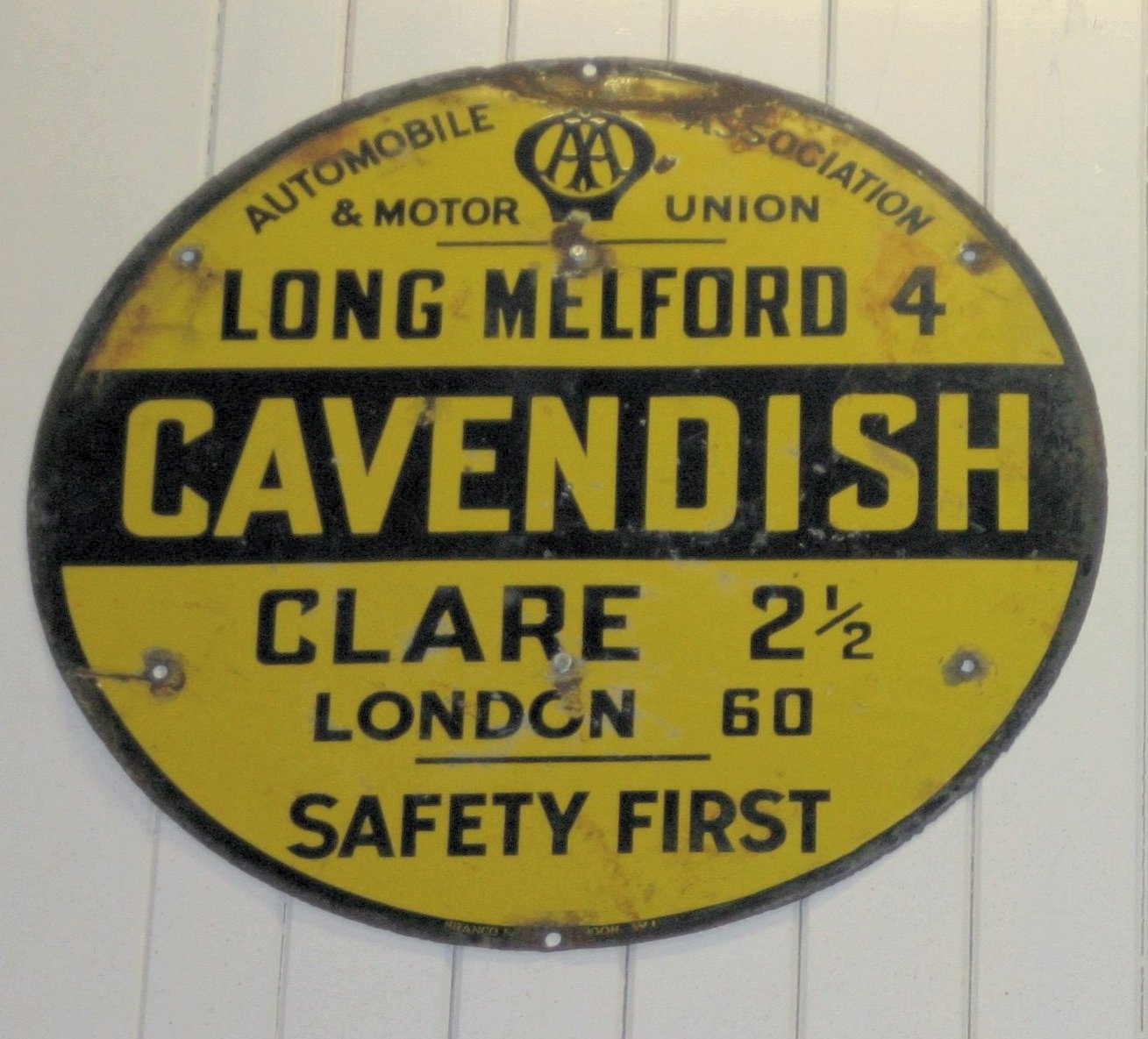
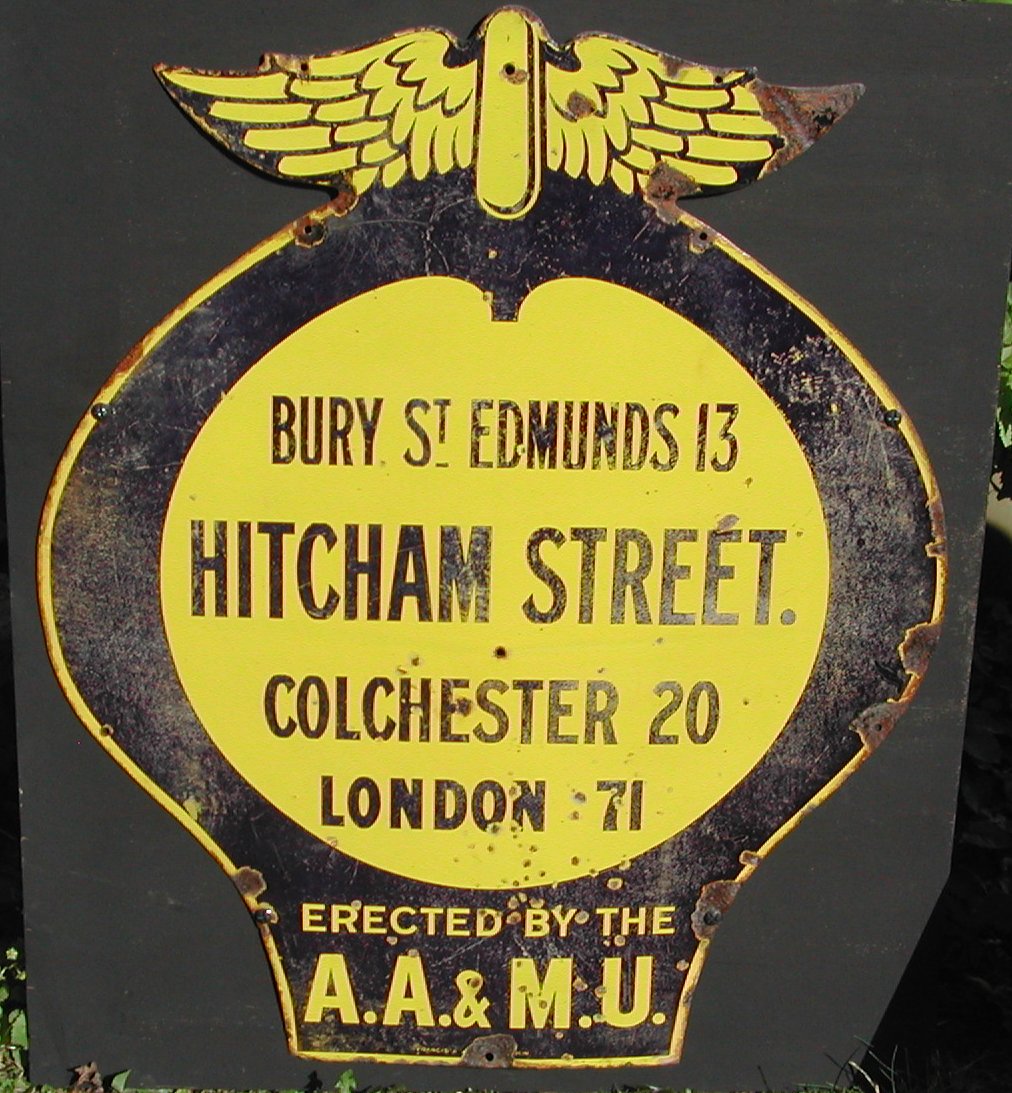
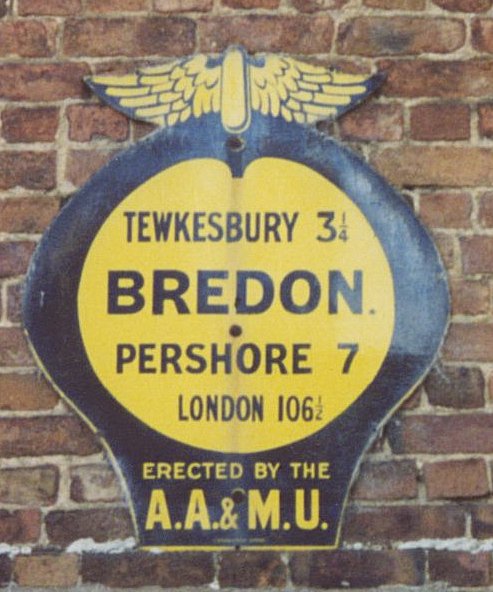
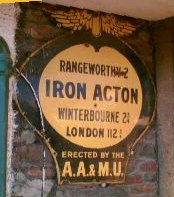
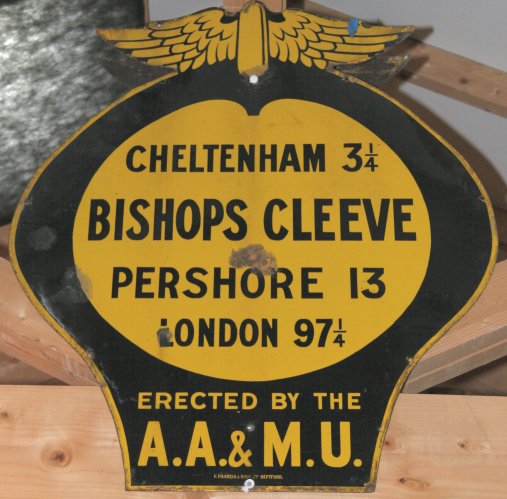
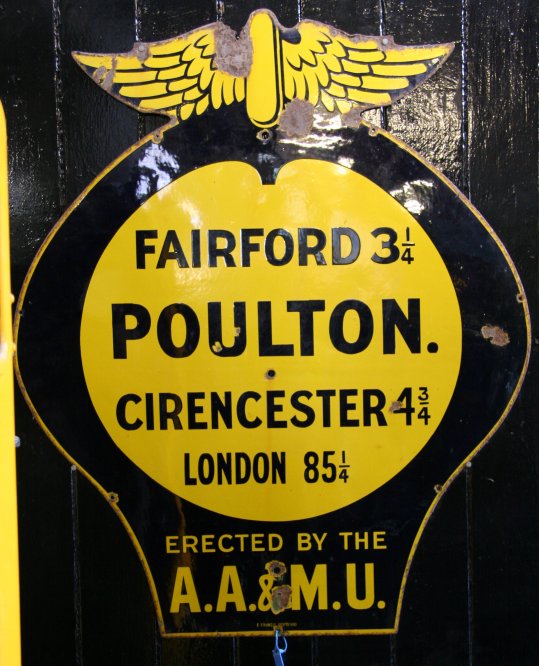
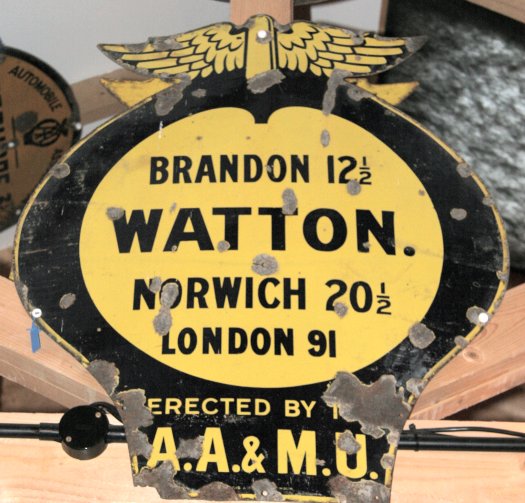
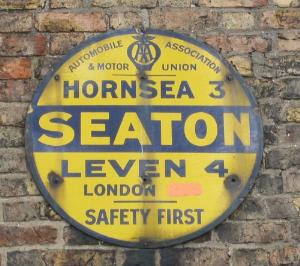
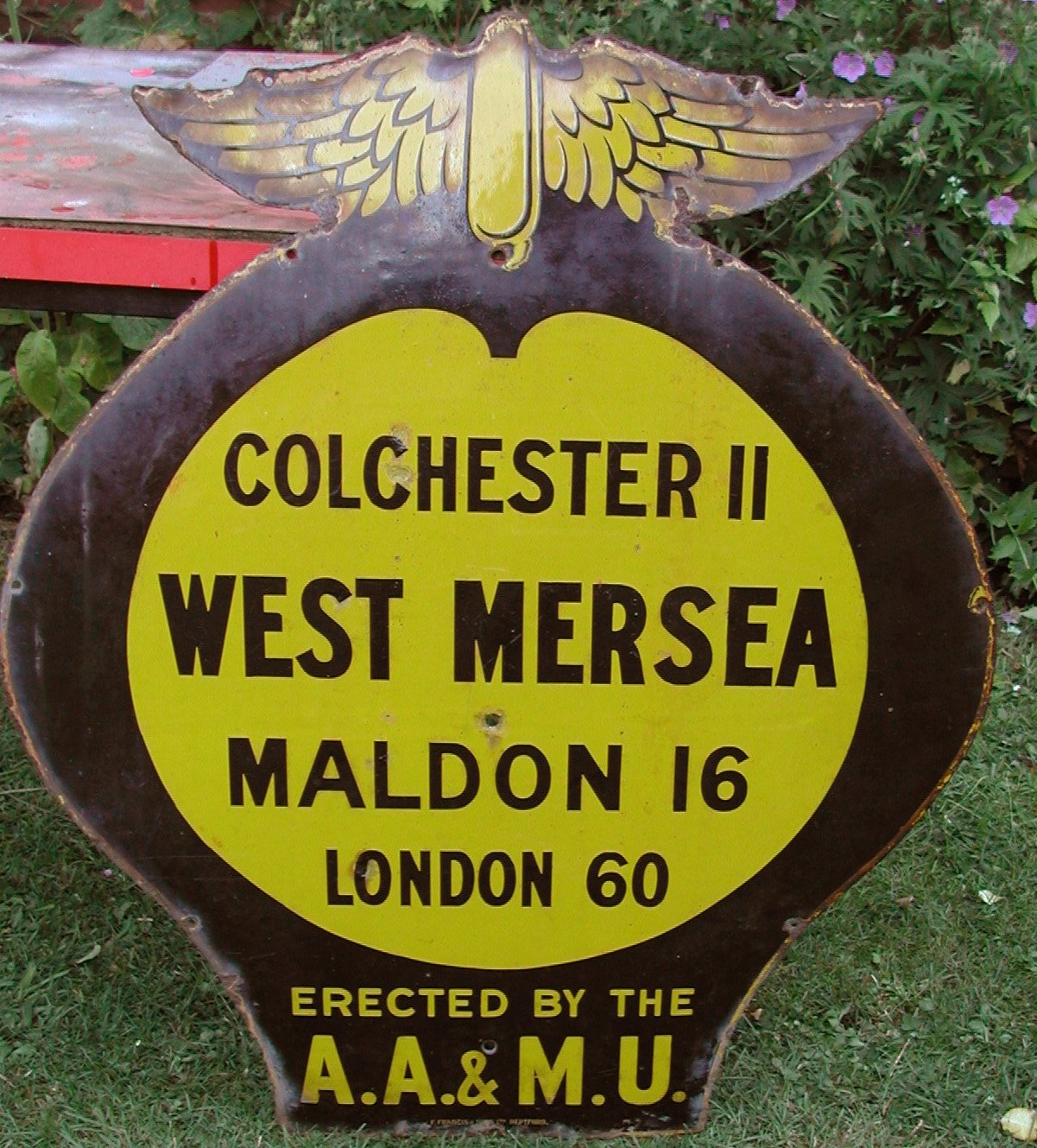
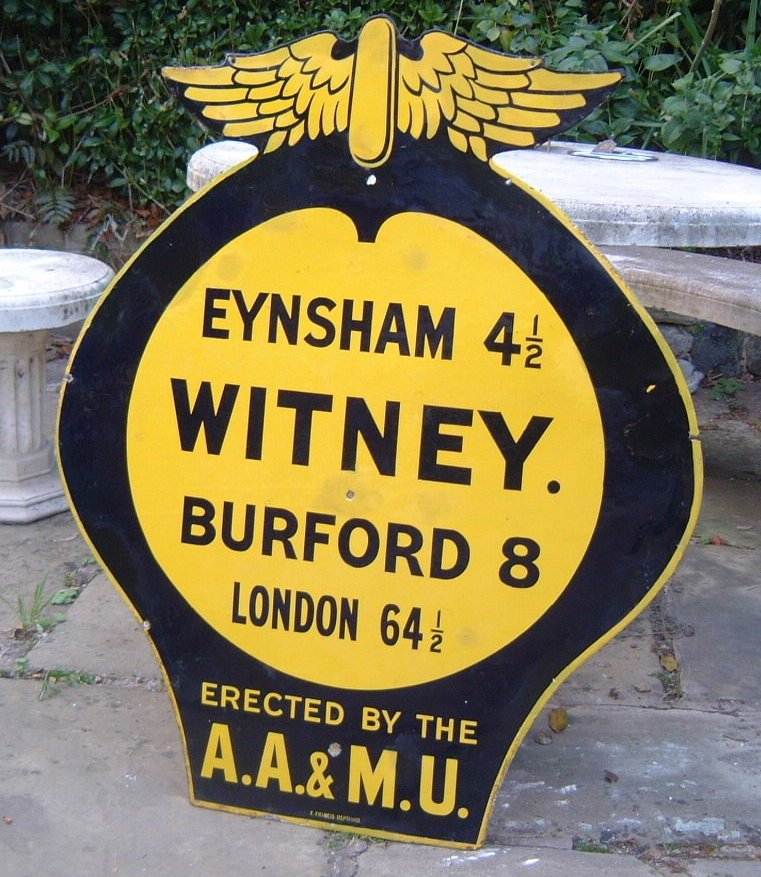
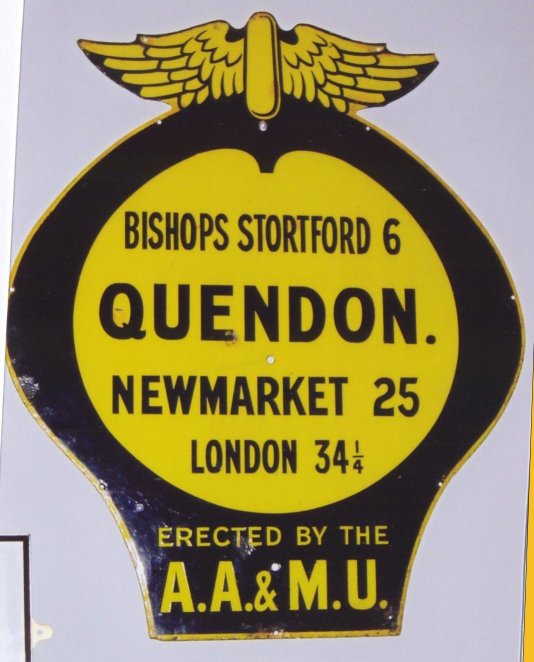
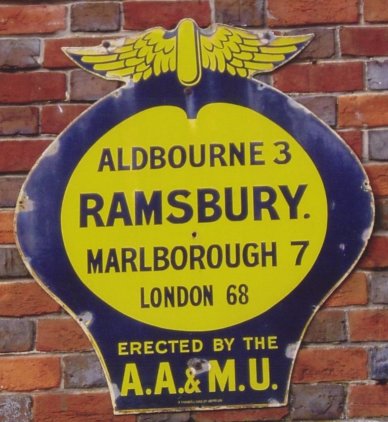
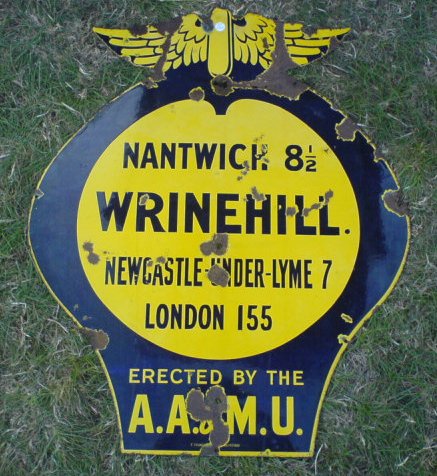
A rare second style shows the AA encapsulated in a badge, but without wings. These pre-date the merger of the Automobile Association and the Motor Union, whose badge of a winged wheel, seen head-on, gave the merged Association the familiar winged AA badge. Signs which state "AA & MU" are from the period after 1910. The first circular post-merger badges are enamelled in a very deep violet-blue and not black. These are rare.
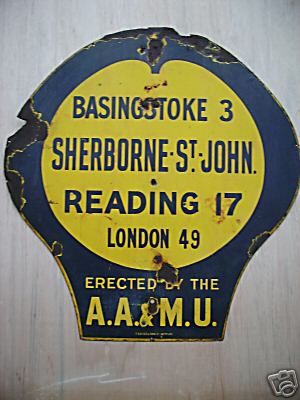
Eventually, in 1923, the "and MU" was dropped leaving just Automobile Association with the winged badge and in black on yellow. The badge-shaped signs are the second most common and these all say "AA & MU" and date from 1912-1920.
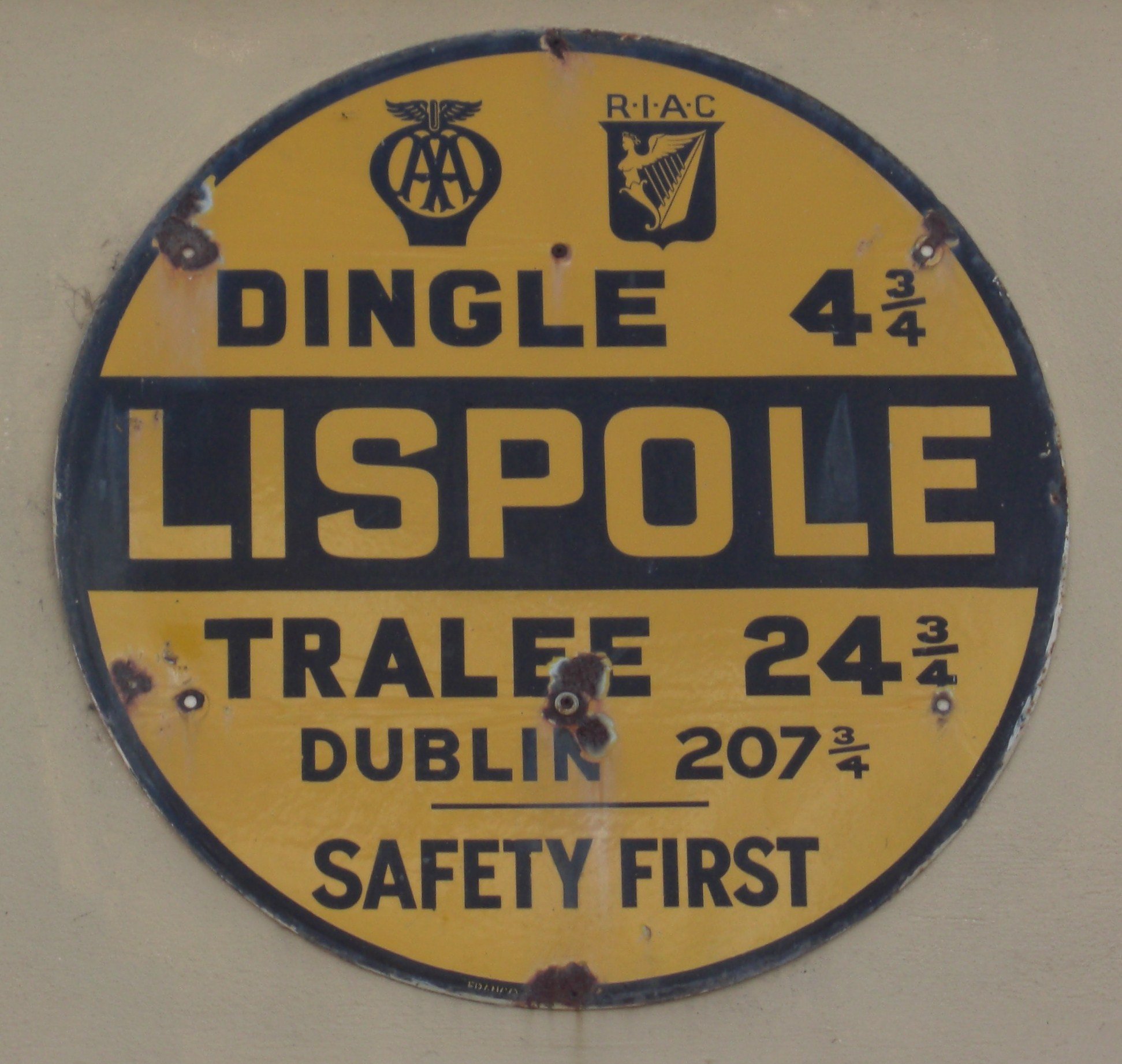
Scottish signs were erected by the AA and Scottish RAC, there being less rivalry between the two organisations north of the border! Irish AA signs were also prevalent before the 1922 partition and many of these are in Gaelic script and co-feature the badge of the Royal Irish Automobile Club - RIAC.